
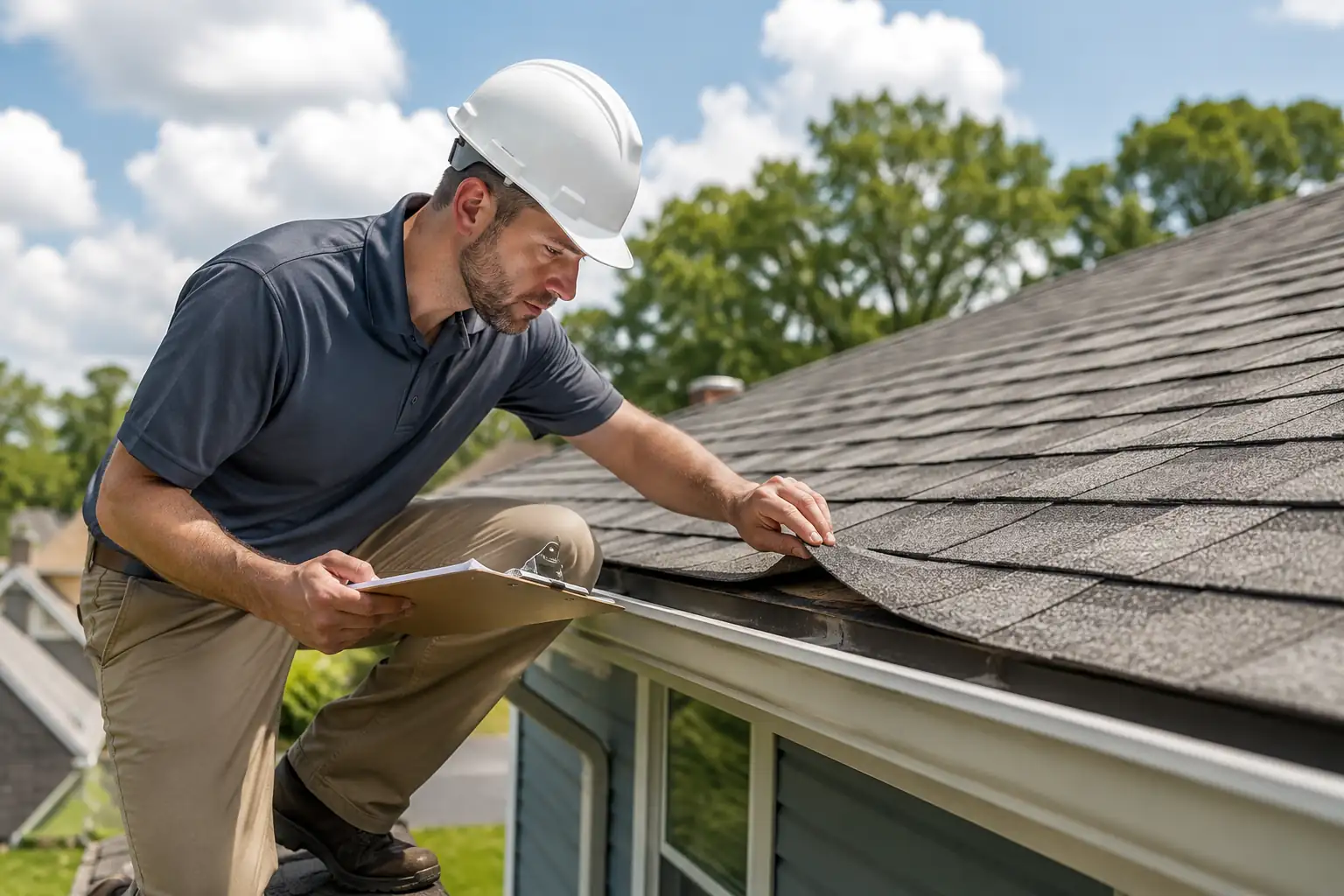
A roof assessment often involves checking shingles for visible damage, missing sections, or signs of aging. While shingles play an important role in protecting a home from weather exposure, they represent only one part of a much larger roofing system. A thorough inspection requires examining multiple components that work together to keep water out, maintain structural integrity, and support proper ventilation. Problems hidden beneath or around the shingles can sometimes create more serious concerns than the surface materials themselves. Understanding why a roofing contractor evaluates the entire roofing system helps homeowners appreciate the value of a detailed assessment and its role in maintaining long-term property protection.
Looking Beyond Surface Materials
-
The Condition of the Roof Deck Matters
The roof deck forms the foundation that supports all roofing materials installed above it. During an assessment, a roofing contractor often looks for signs that the decking may have been weakened by moisture, age, or structural movement. Even if shingles appear intact from the outside, hidden deterioration beneath them can compromise the stability of the entire roofing system. Soft spots, sagging areas, and uneven roof surfaces may indicate underlying deck damage that requires attention before larger issues develop. Moisture that penetrates through small openings can gradually weaken wood components over time, creating conditions that are not immediately visible from the ground.
A careful evaluation of the roof deck allows contractors to determine whether the structure beneath the shingles remains capable of supporting roofing materials effectively. Identifying these concerns early helps prevent situations in which homeowners face extensive repairs that could have been avoided with timely maintenance and observation. The roof deck is a critical element of overall roof performance, making it an important focus in any professional assessment.
-
Flashing and Penetration Areas Require Close Attention
Many roofing leaks originate around penetrations and transition points rather than through the shingles themselves. Flashing installed around chimneys, skylights, vents, and roof intersections creates watertight barriers that direct water away from vulnerable areas. Over time, flashing can shift, corrode, crack, or separate from surrounding materials, creating pathways for water intrusion. During an assessment, contractors pay close attention to these locations because even minor defects can lead to significant moisture damage inside the home. A thorough evaluation often includes examining sealants, metal components, and fastening systems that support the performance of flashing.
Property owners frequently underestimate the importance of these details because they occupy a relatively small portion of the roof surface. However, their role in preventing leaks is substantial. A company like Three Tree Roofing, a roofing contractor, understands that long-term roof performance depends heavily on the condition of these transition points. By carefully examining flashing systems, contractors can identify weaknesses before they lead to costly structural or interior repair issues.
-
Attic Conditions Reveal Hidden Roofing Problems
A roof assessment frequently extends beyond the exterior because the attic provides valuable insight into the health of the roofing system. Inside the attic, contractors can often detect signs of moisture infiltration, inadequate ventilation, mold growth, or insulation problems that may not be visible outside. Water stains on rafters, discoloration on decking, and damp insulation can indicate roofing issues that have been developing over time. The attic essentially serves as a diagnostic space where evidence of hidden roof-related concerns becomes easier to identify. Contractors also evaluate airflow patterns to determine whether heat and moisture are being properly managed throughout the structure.
Excessive heat buildup can accelerate deterioration of roofing materials, while trapped moisture can contribute to wood decay and indoor air quality concerns. By inspecting attic conditions, roofing professionals gain a more complete understanding of how the entire system is performing. This broader perspective helps ensure that recommendations address root causes rather than simply treating visible symptoms on the roof surface.
-
Ventilation Systems Influence Roof Longevity
Proper ventilation is one of the most important yet frequently overlooked components of a roofing system. During an assessment, contractors evaluate intake and exhaust ventilation to determine whether air is moving efficiently through the attic space. When ventilation is inadequate, heat and moisture can accumulate beneath the roof structure, creating conditions that shorten the lifespan of roofing materials. Excess attic heat can cause shingles to age more rapidly, while moisture buildup may contribute to mold growth, wood rot, and insulation damage. Contractors inspect ridge vents, soffit vents, gable vents, and other ventilation components to ensure they are functioning as intended. They also look for obstructions that may restrict airflow and reduce system effectiveness.
A roofing assessment that ignores ventilation would overlook one of the factors most closely connected to long-term roof performance. By examining these systems carefully, contractors can identify opportunities to improve efficiency and protect both the roof and the home’s structural components from unnecessary stress caused by environmental conditions.
-
Gutters and Drainage Systems Affect Roof Performance
Water management extends far beyond the roofing surface itself. Gutters, downspouts, and drainage pathways play a significant role in directing water away from the roof and foundation. During a roof assessment, contractors often inspect these components to determine whether they are functioning properly. Clogged gutters, improper slopes, and damaged downspouts can cause water to back up onto roofing materials or collect near structural elements. Over time, this excess moisture can contribute to deterioration, staining, wood rot, and foundation concerns. Contractors look for signs of overflow, corrosion, separation from fascia boards, and debris accumulation that may interfere with effective drainage.
Even a high-quality roofing system can experience problems if water is not being directed away efficiently. Evaluating drainage components allows contractors to identify contributing factors that may affect roof longevity and overall property protection. A complete assessment recognizes that roofing performance depends not only on the materials overhead but also on the systems that manage rainwater once it reaches the roof.
A roof assessment involves much more than examining shingles, as a roofing system comprises numerous interconnected components that affect performance, durability, and protection. Contractors evaluate roof decking, flashing, attic conditions, ventilation systems, drainage components, structural supports, and evidence of weather-related damage to gain a complete understanding of the roof’s condition. Each element contributes to the system’s ability to protect a home from moisture, temperature extremes, and environmental stress.
By inspecting these areas together, contractors can identify hidden concerns, recommend appropriate solutions, and help homeowners address issues before they become more costly. A comprehensive assessment provides valuable insight into the overall health of the roofing system and supports informed maintenance decisions.
