
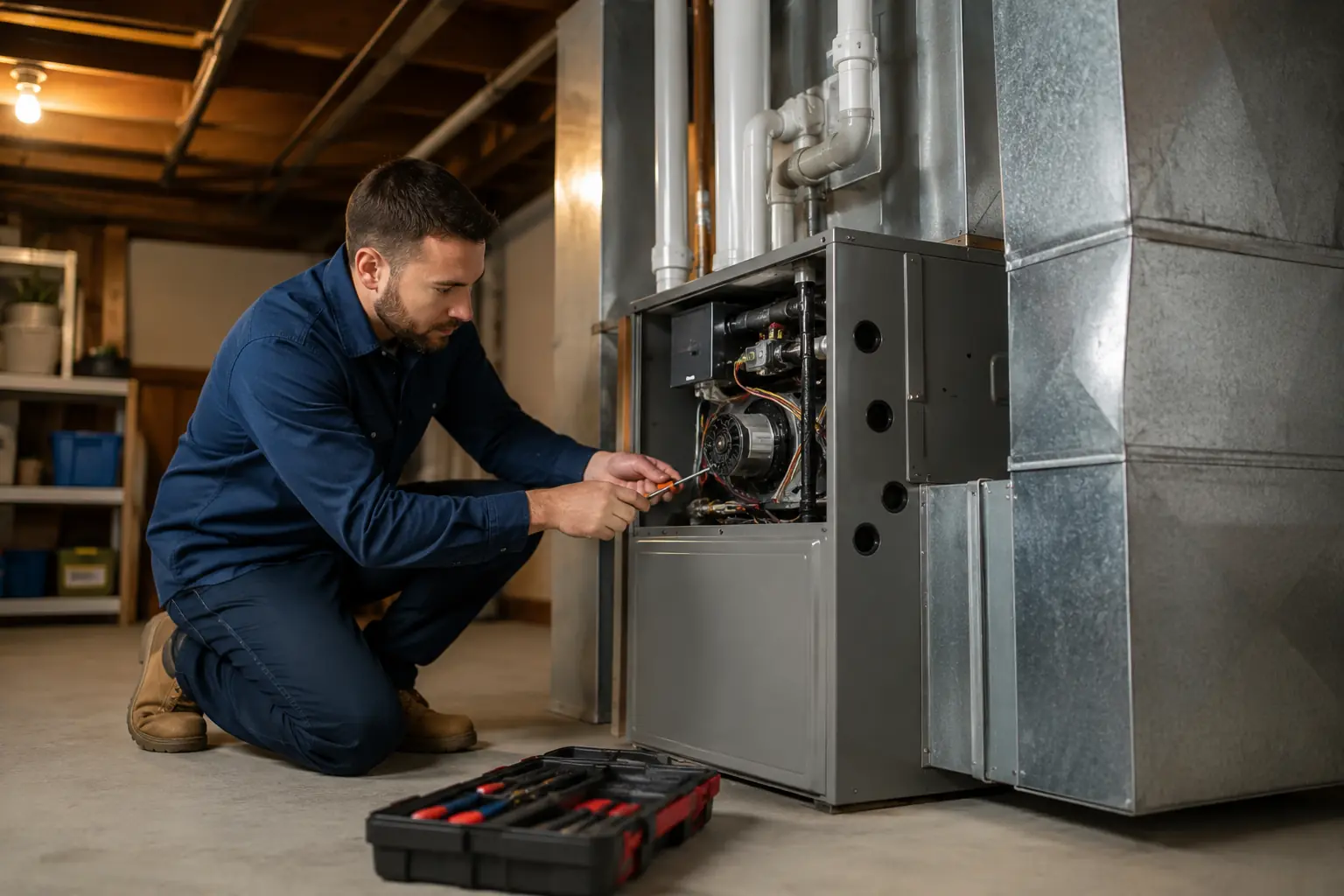
A furnace is an important heating system that helps maintain a comfortable indoor environment by providing warmth during colder conditions. Like all mechanical equipment, a furnace requires regular attention, proper maintenance, and timely solutions to continue operating efficiently. When a heating system is neglected, small issues can gradually become major problems that affect performance, increase energy consumption, and shorten the equipment’s lifespan. Understanding furnace operation, common issues, and maintenance requirements allows homeowners to make better decisions and keep their heating systems working properly for years.
A modern furnace contains several connected components that work together to produce and distribute heat effectively. Parts such as burners, heat exchangers, blower motors, filters, sensors, and thermostats must function correctly to ensure reliable operation. If one component starts failing, it can reduce the efficiency of the entire system and create uncomfortable indoor conditions. Professional furnace repair services help identify the exact cause of problems and provide suitable solutions that restore heating performance while preventing further damage.
Understanding Common Furnace Problems
Furnace problems often develop slowly, and many warning signs can be overlooked until the system experiences a major failure. Unusual sounds, weak airflow, inconsistent temperatures, frequent cycling, or higher energy bills are common indications that something may be wrong. Addressing these concerns early can prevent expensive repairs and reduce the risk of complete system breakdown. Regular inspections help detect developing issues before they affect other important components.One of the most common furnace problems is poor airflow caused by dirty filters or blocked vents. Air filters are designed to collect dust and particles, but they need regular replacement or cleaning to maintain proper performance. When filters become clogged, the furnace has to work harder to circulate warm air throughout the building.
This extra strain can reduce efficiency, increase energy usage, and cause unnecessary wear on internal parts.Another common issue involves thermostat problems that affect temperature control. A faulty thermostat may send incorrect signals to the furnace, causing uneven heating or preventing the system from turning on properly. Sometimes the issue can be solved with simple adjustments, while other situations require professional evaluation. Proper thermostat operation is essential for maintaining comfort and ensuring that the furnace does not run longer than necessary.Electrical failures can also cause furnace performance problems. Loose wiring, damaged connections, faulty sensors, and worn electrical components may interrupt normal operation. Because heating systems contain complex electrical parts, attempting repairs without proper training can create safety risks. Skilled technicians have the knowledge and equipment needed to inspect electrical systems carefully and complete necessary repairs correctly.
Importance of Regular Furnace Maintenance
Regular maintenance is one of the best ways to protect a heating system and improve its efficiency. Professional maintenance includes checking important components, cleaning internal areas, inspecting safety controls, and testing overall performance. These steps allow technicians to identify small issues before they develop into serious failures. Preventive maintenance also helps ensure that the furnace operates smoothly when reliable heating is needed.A properly maintained furnace can provide better energy efficiency because clean and well-adjusted components require less effort to produce heat. When a furnace is neglected, it may consume more energy while delivering reduced performance. Regular servicing helps maintain consistent operation and can contribute to lower energy expenses over time. Keeping the system in good condition also reduces unnecessary stress on major components.
When a furnace begins showing signs of damage, professional furnace repair becomes an important step in restoring proper operation. Delaying service can allow minor issues to become more complicated and expensive. Experienced technicians can diagnose problems accurately, identify damaged parts, and recommend effective solutions. Proper repairs help improve system reliability and prevent repeated failures.Maintenance also plays an important role in furnace safety. Problems involving ventilation, heat exchangers, or safety controls should always be addressed quickly because they may affect the safe operation of the equipment. Professional inspections help ensure that all components are functioning correctly and that potential hazards are identified before they become serious concerns.
Warning Signs That Indicate Furnace Problems
Recognizing early warning signs can help prevent unexpected heating failures. Strange noises such as banging, rattling, squealing, or humming often indicate that internal components may be damaged or worn. These sounds should not be ignored because they can become worse over time and lead to more expensive repairs. A professional inspection can determine the source of unusual sounds and provide the appropriate solution.Uneven heating is another sign that a furnace may not be working correctly. If some rooms receive enough warmth while others remain cold, there may be issues with airflow, duct systems, thermostat settings, or furnace components. Identifying the exact cause requires proper evaluation because different problems can create similar symptoms. Timely attention helps restore balanced heating throughout the property.
Frequent starting and stopping is another problem known as short cycling. This issue can happen because of restricted airflow, thermostat problems, overheating, or incorrect system operation. Short cycling places additional stress on furnace components and can reduce the equipment’s lifespan. Professional assessment helps determine the reason behind this behavior and provides a reliable solution.Unexpected increases in energy costs may also indicate reduced furnace efficiency. When a heating system struggles to maintain the desired temperature, it often runs longer and consumes more power. Checking the equipment and correcting performance problems can improve efficiency and reduce unnecessary energy use. Regular maintenance is an effective way to identify efficiency issues early.
Benefits of Professional Furnace Service
Professional furnace service provides many benefits compared to attempting complicated repairs without proper knowledge. Trained technicians understand different heating systems and use advanced diagnostic methods to locate problems accurately. Instead of applying temporary fixes, they focus on identifying the actual cause of the issue. This approach helps deliver longer-lasting solutions and improves overall system performance.Another advantage of professional service is improved reliability. A furnace that receives regular inspections and proper care is less likely to experience sudden breakdowns. Technicians can identify worn components and recommend replacements before they fail completely.
This proactive approach helps maintain comfort and prevents unexpected interruptions during colderperiods.Professional maintenance also supports better energy efficiency. A clean and properly adjusted furnace operates more effectively because all components work together correctly. Improved efficiency can reduce operating costs and help the system provide consistent heating. Quality service ensures that the equipment continues performing according to its intended design.Choosing experienced professionals for furnace repair ensures that the system receives accurate attention and proper solutions. Qualified technicians understand the importance of safety, correct installation procedures, and manufacturer recommendations. Their expertise helps protect the equipment from additional damage and provides confidence that repairs are completed correctly.
Ways to Extend Furnace Lifespan
Proper care can significantly increase the lifespan of a furnace and improve its long-term performance. Simple maintenance habits, such as changing filters regularly and keeping vents clear, can reduce strain on the system. These small steps allow air to move freely and help the furnace operate more efficiently. Consistent care also reduces the possibility of unexpected failures.Keeping the area around the furnace clean is another important maintenance practice. Dust, dirt, and stored items near the equipment can affect airflow and create operational problems. A clean environment allows the system to function properly and makes inspections easier.
Maintaining clear space around the furnace supports safer and more effective operation.
Using thermostat settings wisely can also improve system efficiency. Constant temperature changes may cause the furnace to work harder than necessary. Maintaining a stable temperature and using programmable controls when available can help balance comfort and energy savings. Proper thermostat management reduces unnecessary system stress.
Regular professional inspections remain one of the most effective ways to protect heating equipment. Technicians can identify hidden issues that may not be noticeable during normal use. Early detection allows problems to be corrected before they become major failures. Combining professional service with regular homeowner care creates better overall system performance.
Making Smart Decisions About Furnace Care
Taking responsibility for furnace maintenance helps protect the equipment and maintain indoor comfort. While basic tasks like filter replacement can be completed by homeowners, complex mechanical and electrical problems require professional attention. Attempting advanced repairs without proper training may cause additional damage and create safety concerns. Expert service ensures that repairs are performed correctly and efficiently.A reliable technician provides more than just a quick solution.
They evaluate the overall condition of the system, explain available options, and recommend practical steps for improving performance. This detailed approach helps property owners understand their equipment and make informed decisions about maintenance and future repairs.Ignoring furnace problems can lead to higher costs and reduced efficiency. Small issues often become more serious when they are left unresolved for long periods. Timely service helps prevent expensive failures and keeps the heating system dependable. Investing in proper care provides long-term benefits through improved comfort and reliability.
Conclusion
A furnace is a valuable heating system that requires regular care, proper maintenance, and timely professional attention to operate effectively. Understanding common problems and recognizing warning signs allows homeowners to respond quickly before minor issues become major failures. Routine inspections, cleaning, and responsible usage help maintain system efficiency and extend equipment life.Professional furnace repair provides accurate solutions that restore performance, improve reliability, and protect important components. A well-maintained furnace delivers consistent heating, better energy efficiency, and improved comfort throughout its service life. Taking proactive steps toward furnace care ensures that the system remains dependable and ready to provide warmth whenever needed.Maintaining a furnace is a long-term investment that supports comfort, safety, and cost savings. With regular maintenance and expert assistance when required, heating equipment can continue operating efficiently for many years. Proper attention to furnace performance helps avoid unnecessary problems and creates a more comfortable indoor environment.
