
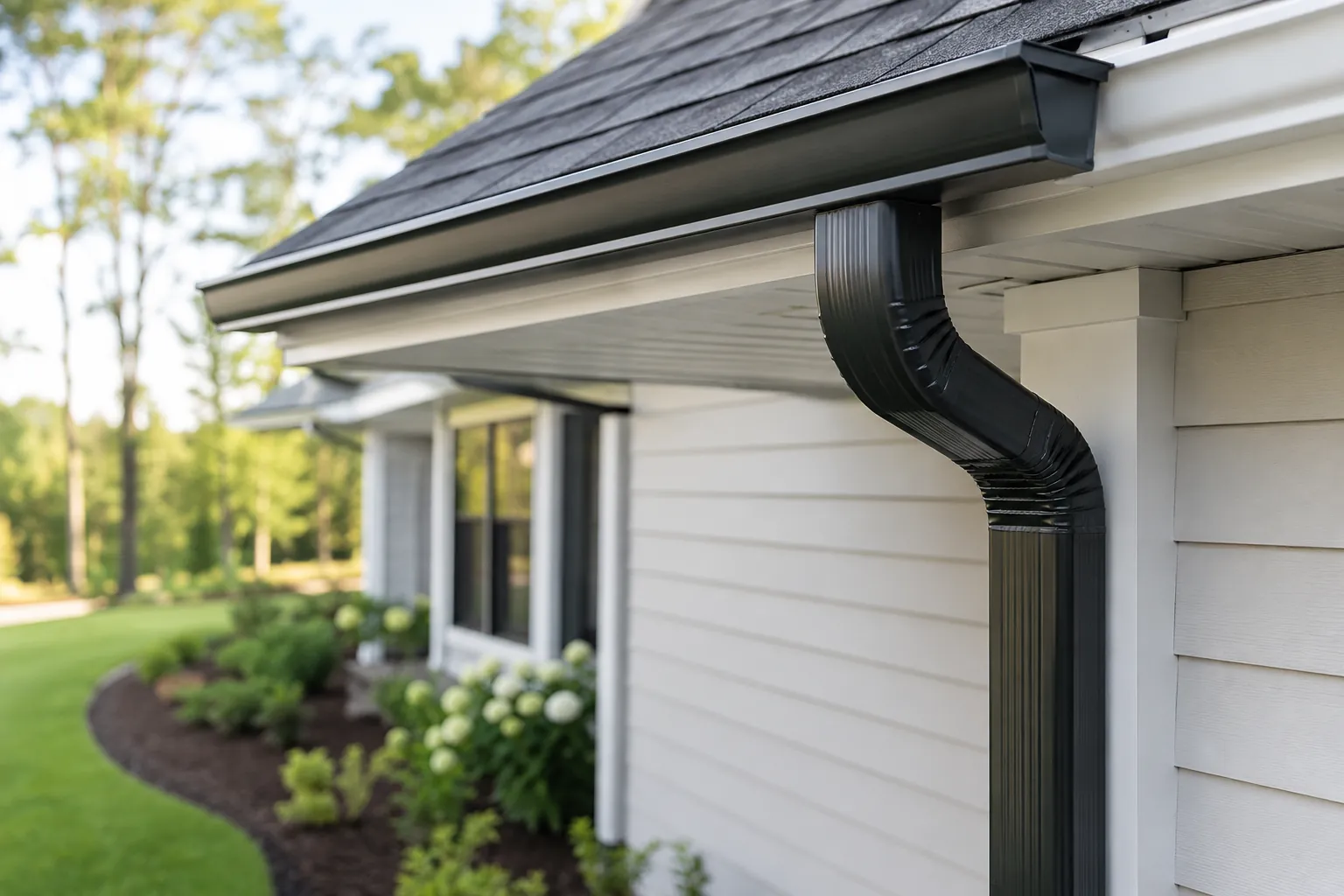
When installing a new gutter system, homeowners often focus on the gutters themselves, but downspout extensions play a crucial role in protecting your property from water damage. Downspout extensions are attachments that direct rainwater away from your home’s foundation, landscaping, and walkways. Without them, water can pool near the base of your house, leading to soil erosion, basement leaks, and even structural issues over time. Understanding how downspout extensions integrate with modern gutter systems can help you make informed decisions about your home’s drainage and long-term maintenance. This article explains the function, benefits, and installation considerations for downspout extensions with new gutter systems.
- What to Expect From Downspout Extensions
- The Role of Downspout Extensions in Water Management
- Integrating Downspout Extensions With New Gutter Systems
- Materials and Types of Downspout Extensions
- Maintenance Tips for Downspout Extensions
- Benefits of Proper Downspout Extension Placement
- Downspout Extensions and Local Building Codes
- Quick Guide to Downspout Extension Installation
- Conclusion
What to Expect From Downspout Extensions
The Role of Downspout Extensions in Water Management
Downspout extensions are designed to channel rainwater collected by your gutters safely away from your home. When rain falls on your roof, it flows into the gutters, which are sloped to direct water toward the downspouts. The downspouts then carry the water down to ground level. However, without extensions, the water exits right next to your foundation, which can cause a host of problems.
Downspout extensions solve this by carrying the water several feet away from your home, dispersing it in a controlled manner. This process helps prevent soil erosion, protects landscaping, and reduces the risk of water seeping into your basement or crawl space. Properly installed extensions are especially important in areas with heavy rainfall or clay soils that do not drain quickly. By ensuring water is directed away from vulnerable areas, downspout extensions are a key component of an effective gutter system.
Integrating Downspout Extensions With New Gutter Systems
When a new gutter system is installed, it is essential to consider how downspout extensions will fit into the overall design. Modern gutter systems are often custom-fitted to the dimensions and roofline of your home, and the placement of downspouts is carefully planned to maximize water collection and flow. Downspout extensions must be compatible with the size and shape of the downspouts, and they should be long enough to move water at least four to six feet away from the foundation.
Some extensions are rigid, while others are flexible, allowing them to navigate around landscaping or hardscaping features. Homeowners seeking a gutter install in topeka should ensure that their contractor includes downspout extensions as part of the overall system, as this will provide comprehensive protection against water damage. The integration of extensions with new gutters not only improves drainage but also enhances the longevity of both the gutter system and the home’s foundation.
Materials and Types of Downspout Extensions
Downspout extensions come in a variety of materials, each with its own advantages and considerations. Vinyl extensions are lightweight, affordable, and resistant to rust, making them a popular choice for many homeowners. Aluminum extensions are durable and can be painted to match the color of your gutters, providing a seamless appearance. Flexible plastic extensions are easy to install and can be adjusted to direct water around obstacles such as flower beds or walkways.
Some homeowners opt for underground extensions, which channel water through buried pipes to a safe discharge point further from the house. The choice of material and type depends on your specific needs, climate, and landscaping. It is important to select extensions that are compatible with your gutter system and capable of handling the volume of water typical for your region. Proper installation and maintenance of these extensions ensure that your gutter system functions efficiently year-round.
Maintenance Tips for Downspout Extensions
Regular maintenance is essential to keep downspout extensions working effectively. Over time, debris such as leaves, twigs, and dirt can accumulate inside the extensions, leading to clogs that restrict water flow. Homeowners should inspect their extensions at least twice a year, especially after heavy storms or during the fall when leaves are more likely to cause blockages. Cleaning the extensions is usually straightforward and can be done with a garden hose or a plumber’s snake.
It is also important to check for signs of damage, such as cracks or splits, which can reduce the effectiveness of the extension. Replacing damaged sections promptly will help maintain proper drainage. Additionally, ensure that the extensions remain securely attached to the downspouts and have not shifted out of position due to lawn maintenance or foot traffic. Consistent upkeep of your downspout extensions will protect your home from water-related issues and extend the life of your gutter system.
Benefits of Proper Downspout Extension Placement
Proper placement of downspout extensions is crucial for effective water management. Extensions should direct water to areas where it can safely disperse, such as a sloped lawn or a gravel bed, rather than onto driveways or walkways where it could cause erosion or create slippery surfaces. In some cases, extensions can be directed toward rain gardens or other landscaping features designed to absorb excess water.
Avoid placing extensions where water could flow toward neighboring properties, as this can lead to disputes or drainage problems. By carefully planning the placement of your downspout extensions, you can protect your home, preserve your landscaping, and contribute to responsible water management in your neighborhood.
Downspout Extensions and Local Building Codes
In many areas, local building codes and regulations govern the installation of gutter systems and downspout extensions. These codes are designed to ensure that water is managed in a way that protects both individual properties and the community as a whole. Homeowners should check with their local municipality or building department to determine if there are specific requirements for the length, placement, or type of downspout extensions allowed.
Some areas may require that water be directed to a storm drain or a designated drainage area, while others may have restrictions on discharging water onto sidewalks or public rights-of-way. Compliance with local codes not only helps avoid fines or penalties but also ensures that your gutter system functions as intended and does not create problems for neighbors or public infrastructure.
Quick Guide to Downspout Extension Installation
Installing downspout extensions is a straightforward process that can usually be completed in a short amount of time. Most extensions simply attach to the end of the downspout and can be secured with screws or clips. Flexible extensions can be bent or curved to direct water around obstacles, while rigid extensions may require precise measurement and cutting. It is important to ensure that the extension slopes away from the foundation and is long enough to move water to a safe distance. Regularly check the extension for secure attachment and proper alignment to maintain effective drainage.
Conclusion
Downspout extensions are an essential part of any new gutter system, providing critical protection for your home’s foundation, landscaping, and overall structural integrity. By directing rainwater away from vulnerable areas, these extensions help prevent costly water damage and maintain the value of your property. Choosing the right materials, ensuring proper installation, and performing regular maintenance all contribute to the effectiveness of your gutter system. Homeowners should also be mindful of local building codes and thoughtful placement to maximize the benefits of downspout extensions. Investing in a well-designed gutter system with properly integrated downspout extensions is a smart decision for long-term home protection and peace of mind.
