
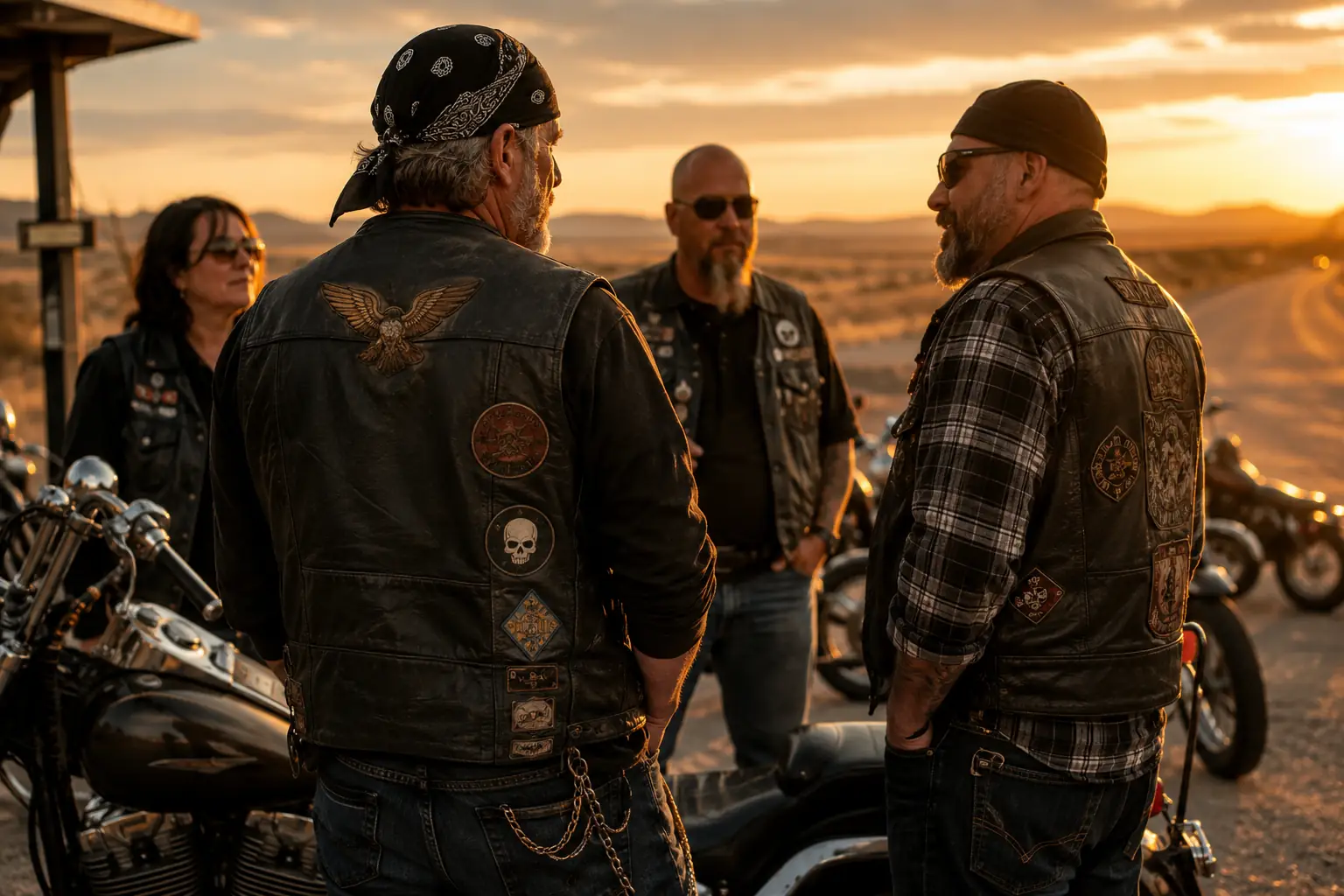
Motorcycle culture in America has always been about more than machines. The bike may be the center of the experience, but the lifestyle around riding includes identity, tradition, friendship, independence, and personal expression. From small-town bike nights to large rallies, from weekend group rides to long-distance highway trips, riders often build a strong connection with the people, places, and gear that become part of their journey.
- A Longstanding Symbol of Motorcycle Identity
- Practical Gear With Cultural Meaning
- Patch Culture and Personal Expression
- Brotherhood, Friendship, and Belonging
- A Connection to American Road Tradition
- Style That Becomes Personal Over Time
- Why Vests Work at Motorcycle Events
- Respect and Responsibility in Vest Culture
- How Modern Riders Keep the Tradition Alive
- Final Thoughts
Among all the pieces of motorcycle apparel connected to this culture, the leather vest holds a special place. It is one of the most recognizable items in biker communities, not only because of how it looks, but because of what it can represent. For many riders, a vest is practical riding gear. For others, it is a personal statement, a symbol of belonging, or a record of years spent on the road.
The leather vest has remained important in American motorcycle communities because it blends function with identity. It works as a riding layer, offers space for patches, carries small essentials, and reflects the personality of the rider. It is simple, but its meaning can be deep.
A Longstanding Symbol of Motorcycle Identity
The connection between leather vests and motorcycle culture has developed over decades. Riders have long chosen leather because it is durable, timeless, and strongly associated with the open road. While jackets, boots, gloves, and helmets all play important roles, the vest has become one of the most visible symbols of biker identity.
A vest is often the first thing people notice when they see a rider at a motorcycle event. It may be plain and classic, or it may be covered with patches, pins, and personal details. Either way, it gives the rider a distinct look that is closely tied to the motorcycle lifestyle.
In American motorcycle communities, clothing often tells a story. Riders may wear gear that reflects their bike type, riding habits, values, club connections, or personal history. A vest gives them a clear way to show that identity without needing to explain it.
This is why leather vests have stayed relevant even as modern gear has changed. New materials, technical jackets, and advanced apparel have become common, but the vest still carries cultural weight. It represents tradition while still working for modern riders.
Practical Gear With Cultural Meaning
One reason the leather vest has lasted is because it is not only symbolic. It is also practical. Riders use vests because they are comfortable, easy to layer, and useful in different riding conditions. A vest can be worn over a T-shirt in warm weather, over a flannel or hoodie in cooler weather, or under a jacket when extra core warmth is needed.
This makes a leather vest a practical part of many riders’ regular gear setup. It gives coverage around the torso while leaving the arms free, which helps with movement and airflow. For cruiser riders and weekend riders, that balance can be especially useful.
Vests also provide storage. Many riders carry wallets, phones, keys, sunglasses, earplugs, cash, cards, or small documents while riding. A vest with useful pockets can keep these essentials close without requiring a backpack or constant access to saddlebags.
The cultural meaning becomes stronger because the vest is worn often. It is not a piece that stays hidden in the closet. Riders wear it to rallies, local rides, charity events, bike nights, and casual meetups. Over time, it becomes connected to memories, roads, and people.
Patch Culture and Personal Expression
Patch culture is one of the biggest reasons leather vests hold such importance in motorcycle communities. Patches can represent many things: clubs, riding groups, rallies, charity rides, military service, memorials, personal beliefs, road trips, or causes a rider supports.
The back of a vest often becomes the main space for larger patches. The front may carry smaller patches, names, pins, or symbols. Some riders prefer a clean vest with very few details, while others build a vest over many years until it becomes a visual record of their riding life.
For many riders, patches are not random decoration. They have meaning. A patch may remind someone of a long ride across several states, a friend they lost, a motorcycle event they attended, or a group they are proud to be part of. Each addition can become part of the rider’s personal story.
This makes the vest different from ordinary apparel. It is not just something worn for style. It can become a living archive of the rider’s connection to the road and community.
Brotherhood, Friendship, and Belonging
Motorcycle communities often place strong value on friendship and loyalty. Riders may come from different backgrounds, but the shared love of motorcycles can create a strong bond. Group rides, club events, charity runs, and local meetups often build relationships that last for years.
A vest can play a role in that sense of belonging. In some communities, patches and vest details may show group membership or shared identity. In other cases, the vest simply signals that someone is part of the larger motorcycle lifestyle.
A biker vest can become a familiar part of how riders recognize each other at events and on the road. It may represent a club, a riding tradition, or simply a personal commitment to the biker way of life. Even riders who are not part of formal groups may wear vests because they feel connected to the broader culture.
This sense of belonging is important. Motorcycle riding can be deeply individual, but it is also highly social. Riders enjoy the freedom of the road, but they also value the people they meet along the way. The vest often sits at the center of both experiences.
A Connection to American Road Tradition
The leather vest also connects riders to a larger American road tradition. Motorcycles have long been associated with independence, exploration, and movement across open highways. From desert roads to mountain passes, coastal highways to rural backroads, the American riding experience has always carried a sense of freedom.
Leather vests fit naturally into that image. They are practical enough for the road and classic enough to feel connected to history. A rider wearing a vest on a cruiser motorcycle represents something familiar in American culture: the open-road spirit.
This connection is one reason vests appear so often at rallies, bike nights, and motorcycle events. They are part of the visual language of the lifestyle. Even people outside the motorcycle world often associate leather vests with bikers because the image has become so established.
For riders, though, the meaning is more personal. The vest is not just a costume or trend. It is something that becomes part of the experience through miles, events, friendships, and memories.
Style That Becomes Personal Over Time
Leather vests are also valued because they change with the rider. A new vest may start out clean and structured, but over time it softens, creases, and develops character. Patches may be added. Pins may be moved. The fit may become more comfortable as the leather breaks in.
This process gives the vest personal value. It becomes shaped by use, not just design. Riders often appreciate gear that feels lived-in because it reflects time spent on the road.
A well-worn vest may remind a rider of past trips, rallies, or important moments. It may have marks that are not flaws but memories. This is one reason riders often keep their favorite vests for many years.
The style of a vest can also reflect personality. Some riders prefer a clean black leather look. Others like a rugged, heavily patched vest. Some choose a simple traditional cut, while others prefer extra pockets or modern features. The vest becomes personal because every rider uses it differently.
Why Vests Work at Motorcycle Events
Motorcycle events are one of the places where leather vests are most visible. At rallies, charity rides, bike nights, dealership events, and club gatherings, riders spend time both on and off their bikes. They need apparel that feels comfortable while riding and still looks natural while walking around.
A vest works well in these settings because it is easy to wear for long periods. It is lighter than a full jacket, especially in warm weather, but still gives the rider a classic motorcycle look. It also provides pocket space for small essentials during the event.
Vests also make social interaction easier in a cultural sense. Patches, pins, and details can start conversations. Riders may ask about a rally patch, a road trip, a club symbol, or a memorial design. In this way, the vest can help connect people.
At motorcycle events, apparel is often part of the experience. Riders do not dress only for function. They dress in a way that reflects who they are. The leather vest fits this environment better than almost any other piece of gear.
Respect and Responsibility in Vest Culture
Because vests can carry meaning, riders should also understand the importance of respect. In some motorcycle communities, certain patches, placements, or symbols may have specific meanings. Not every patch is just decoration. Riders who are new to the culture should take time to understand what different symbols may represent.
This does not mean every vest has formal meaning. Many riders wear vests simply for comfort, style, and personal expression. But awareness matters, especially in environments where club culture is present.
Respect is a major part of motorcycle communities. Riders often value authenticity, honesty, and understanding. Wearing a vest should feel natural, not forced. The best approach is to choose pieces and patches that genuinely reflect the rider’s own story.
This respect helps keep the culture meaningful. It allows the vest to remain a personal and community-centered item rather than just a fashion trend.
How Modern Riders Keep the Tradition Alive
Modern riders continue to wear leather vests because the tradition still fits today’s lifestyle. Even with more gear options available, riders still value pieces that are durable, expressive, and connected to motorcycle history.
A modern rider may wear a leather vest with updated gloves, a certified helmet, reinforced jeans, or modern boots. This combination shows how the old and new can work together. The vest keeps the classic identity alive while other gear supports modern comfort and safety preferences.
This is one reason the leather vest has not disappeared. It adapts. It can be traditional or modern, plain or customized, casual or road-focused. Riders can make it their own without losing its cultural meaning.
As long as riders value individuality, community, and the open road, the leather vest will likely remain part of American motorcycle culture.
Final Thoughts
The culture behind leather vests in American motorcycle communities is built on more than style. It includes tradition, practicality, personal identity, patch culture, friendship, and the shared experience of the road. A vest can be useful riding apparel, but it can also become one of the most meaningful pieces a rider owns.
For some riders, it represents comfort and convenience. For others, it shows belonging, memories, or personal beliefs. For many, it does all of these things at once.
That is why leather vests continue to hold such a strong place in biker culture. They are simple in design but rich in meaning. They work on the road, at events, and within the community. Most importantly, they give riders a way to carry their story wherever the road takes them.
