
The Importance of Building Skills Through Everyday Activities
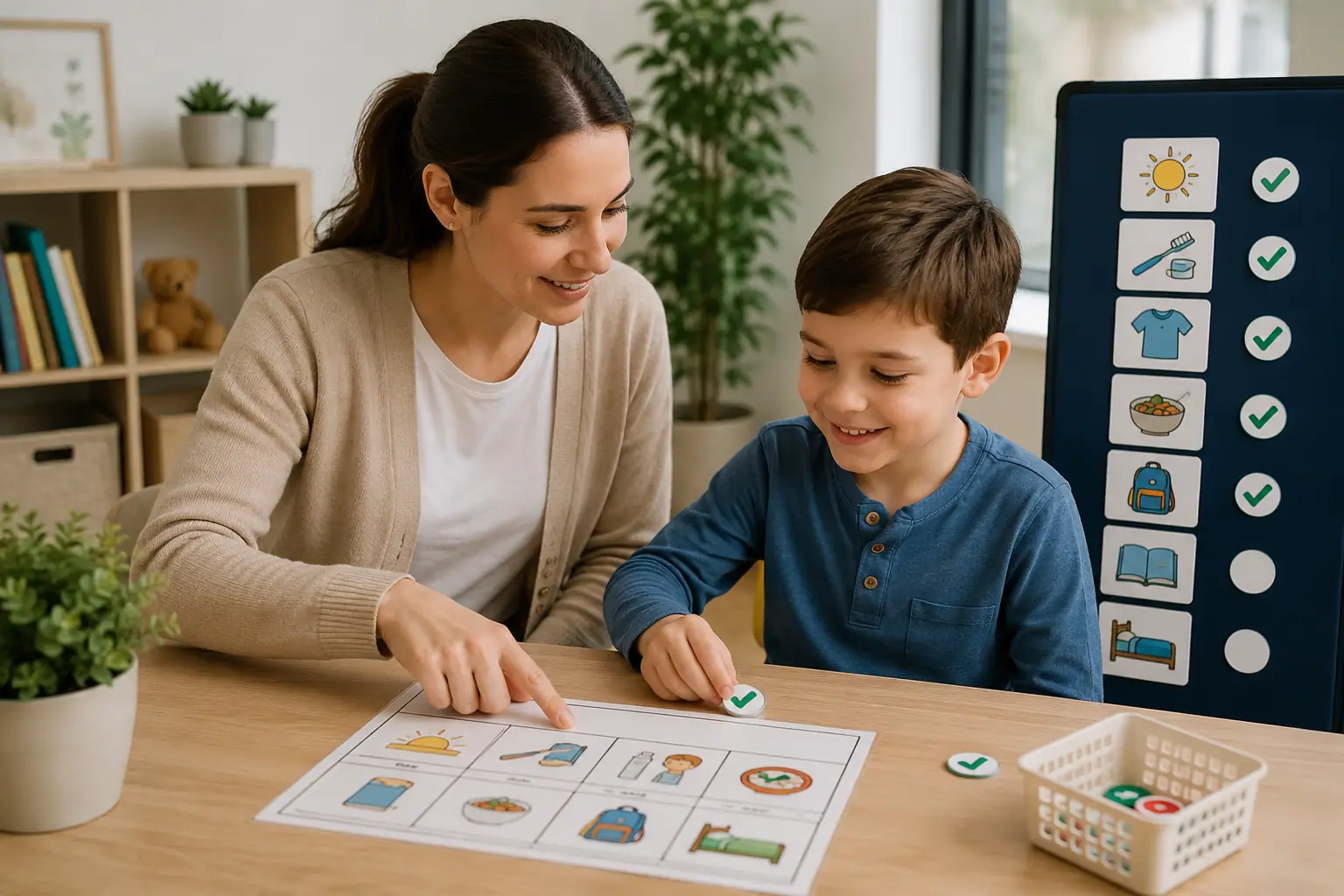
Everyday routines are an important part of a child’s development because they provide regular opportunities to learn, practice, and improve essential abilities. Activities that happen naturally throughout the day, such as getting dressed, following instructions, preparing for meals, completing personal care tasks, and organizing belongings, can become valuable learning experiences. Many children develop confidence when they understand expectations and receive consistent encouragement while practicing new skills. Families can support growth by creating environments where children feel comfortable exploring abilities and becoming more independent. Structured guidance helps children understand daily responsibilities while reducing frustration during challenging activities. ABA therapy for everyday routines focuses on teaching practical skills through personalized strategies that encourage participation, confidence, and independence in everyday situations.
- The Importance of Building Skills Through Everyday Activities
- Understanding How ABA Supports Daily Skill Development
- Creating Consistent and Organized Daily Structures
- Teaching Daily Skills Through Step-by-Step Methods
- Encouraging Positive Behaviors Through Reinforcement
- Supporting Communication During Routine Activities
- Developing Independence Through Daily Responsibilities
- Helping Children Handle Changes in Routine
- Addressing Challenges During Everyday Tasks
- Building Confidence Through Practice and Encouragement
- The Role of Families in Supporting Progress
- Using ABA Strategies During Natural Daily Experiences
- Long-Term Impact of Strong Routine Skills
- Conclusion: Creating Opportunities for Growth Through Everyday Learning
Understanding How ABA Supports Daily Skill Development
Applied Behavior Analysis is a method that focuses on understanding behaviors and using effective strategies to teach meaningful skills. ABA helps identify how children learn, what motivates them, and which approaches are most helpful for their individual needs. The goal is to create positive learning experiences that encourage communication, independence, and successful participation in daily activities. ABA strategies are based on observation, reinforcement, repetition, and gradual skill development. Instead of expecting children to complete difficult tasks immediately, activities are divided into smaller steps that are easier to understand. This approach allows children to experience success while building confidence. Families can apply ABA principles during daily routines to strengthen learning and encourage continued progress.
Creating Consistent and Organized Daily Structures
A predictable routine can help children feel secure and prepared for different activities throughout the day. When children understand what comes next, they may find it easier to participate and complete tasks successfully. Parents can create consistency by using regular schedules, clear instructions, and supportive reminders. Morning routines, meal preparation, homework activities, and bedtime routines can all become opportunities for learning and skill development. ABA therapy for everyday routines helps families create structured approaches that support children in understanding expectations and completing tasks more independently. Consistent routines provide children with a sense of stability while allowing them to practice important abilities. Over time, children can become more confident in managing daily responsibilities.
Teaching Daily Skills Through Step-by-Step Methods
Many everyday activities require several smaller skills that children need to learn before completing the full task independently. ABA focuses on breaking activities into smaller steps so children can understand each part of the process more easily. For example, a personal care routine can involve learning individual actions one at a time before combining them into a complete routine. This method prevents children from feeling overwhelmed and allows them to focus on achievable goals. Parents can provide support during difficult steps while encouraging children to complete familiar parts independently. Repeated practice helps children strengthen their abilities and become more comfortable with different tasks. Step-by-step learning creates opportunities for success and builds motivation.
Encouraging Positive Behaviors Through Reinforcement
Positive reinforcement is one of the most effective ways to encourage children when they are learning new skills. When children receive praise, encouragement, or meaningful rewards after completing tasks, they understand that their efforts are valued. Parents can use reinforcement during everyday situations by recognizing improvement and celebrating achievements. The purpose of reinforcement is not only to reward success but also to encourage continued effort and participation. Children often become more motivated when they receive positive feedback during the learning process. ABA strategies help families understand how to use reinforcement effectively to support development. Creating positive experiences around routines can make children more willing to participate and continue practicing important skills.
Supporting Communication During Routine Activities
Communication is a key skill that helps children express their needs, understand instructions, and participate more successfully in daily life. Everyday routines provide many opportunities for children to practice communication naturally. Parents can encourage communication by offering choices, asking simple questions, and responding to attempts at interaction. Supporting different communication methods allows children to express themselves in ways that work best for their abilities. Improved communication can reduce frustration and help children become more independent. ABA therapy for everyday routines includes strategies that encourage children to communicate during meaningful activities. Strong communication skills allow children to participate more actively and build stronger connections with others.
Developing Independence Through Daily Responsibilities
Independence is an important goal because it helps children gain confidence and become more capable in managing everyday activities. Parents can encourage independence by allowing children to participate in tasks such as choosing clothing, organizing items, completing personal care routines, and helping with simple responsibilities. Providing opportunities for children to practice skills helps them understand their own abilities. Parents should offer support when needed while also allowing children enough time to attempt tasks independently. ABA approaches focus on gradually reducing assistance as children become more comfortable with different activities. Developing independence through daily routines helps children build valuable skills that support future success and confidence.
Helping Children Handle Changes in Routine
Although routines provide structure, children also need support in learning how to manage changes and unexpected situations. Changes in plans, new activities, or unfamiliar tasks can sometimes create challenges. Parents can help children prepare for transitions by explaining what will happen, providing reminders, and offering reassurance. Teaching flexibility helps children become more comfortable with different experiences and reduces stress during changes. ABA strategies can support children in developing coping skills and adapting to new situations. Learning how to handle changes is an important life skill that helps children participate more successfully in different environments. With practice and encouragement, children can become more flexible and confident.
Addressing Challenges During Everyday Tasks
Some children may experience difficulties when completing certain routines or learning new responsibilities. These challenges may occur because of communication barriers, frustration, sensory needs, or difficulty understanding expectations. Parents can support children by identifying possible reasons behind challenges and creating strategies that encourage success. Instead of focusing only on the problem, families can teach alternative skills and provide positive guidance. Understanding individual needs allows parents to respond more effectively and create better learning opportunities. ABA strategies help families develop supportive approaches that make daily activities easier to manage. With patience and consistency, children can improve their ability to complete routines and handle challenges.
Building Confidence Through Practice and Encouragement
Confidence grows when children experience success and recognize their own abilities. Providing opportunities for children to complete tasks and make choices helps them develop a stronger sense of independence. Parents can encourage confidence by celebrating progress and focusing on improvement rather than mistakes. A supportive approach helps children feel comfortable trying new activities and learning from experiences. ABA methods emphasize creating positive learning environments where children feel motivated to continue developing skills. Confidence gained through daily routines can influence other areas of development, including communication, social interaction, and problem-solving. Encouragement and consistent practice help children become more capable and independent.
The Role of Families in Supporting Progress
Family involvement plays an important role in helping children maintain and improve the skills they learn. Parents and caregivers are present during many daily activities, making them valuable partners in the learning process. Consistent support from family members helps children practice skills in natural situations. Families can work together with professionals to understand strategies and apply them effectively at home. ABA therapy for everyday routines encourages caregivers to participate actively in teaching and supporting important abilities. Strong family involvement creates more opportunities for children to use their skills successfully. A supportive family environment helps children continue growing and developing confidence over time.
Using ABA Strategies During Natural Daily Experiences
Daily activities provide many opportunities for learning because they happen regularly and have real-life importance. Parents can use ABA techniques during meals, playtime, personal care, and family interactions to encourage skill development. Providing clear instructions, offering choices, and recognizing positive behaviors can support learning naturally. These everyday experiences allow children to practice skills in meaningful situations. Learning within familiar environments helps children understand how their abilities apply to real life. Families do not need complicated activities because simple daily moments can create valuable opportunities for development. Consistent practice helps children maintain skills and become more independent.
Long-Term Impact of Strong Routine Skills
Learning everyday routines provides benefits that extend beyond immediate tasks. Skills developed through consistent practice can improve independence, confidence, communication, and problem-solving abilities. Children who become comfortable with routines often feel more prepared to manage responsibilities and new experiences. Families can continue adapting strategies as children grow and develop new abilities. Strong routine skills create foundations that support future learning and personal growth. ABA approaches help children develop practical abilities that can benefit them throughout different stages of life. With continued encouragement and structured support, children can make meaningful progress and achieve greater independence.
Conclusion: Creating Opportunities for Growth Through Everyday Learning
Everyday routines are powerful opportunities for children to develop important skills and gain confidence. With structured guidance, positive reinforcement, and consistent family support, children can improve their ability to participate in daily activities. ABA strategies provide practical methods for teaching communication, independence, flexibility, and life skills. ABA therapy for everyday routines helps families create meaningful learning experiences that support long-term development. Through patience, encouragement, and regular practice, children can build strong foundations for confidence, independence, and successful everyday experiences.
