
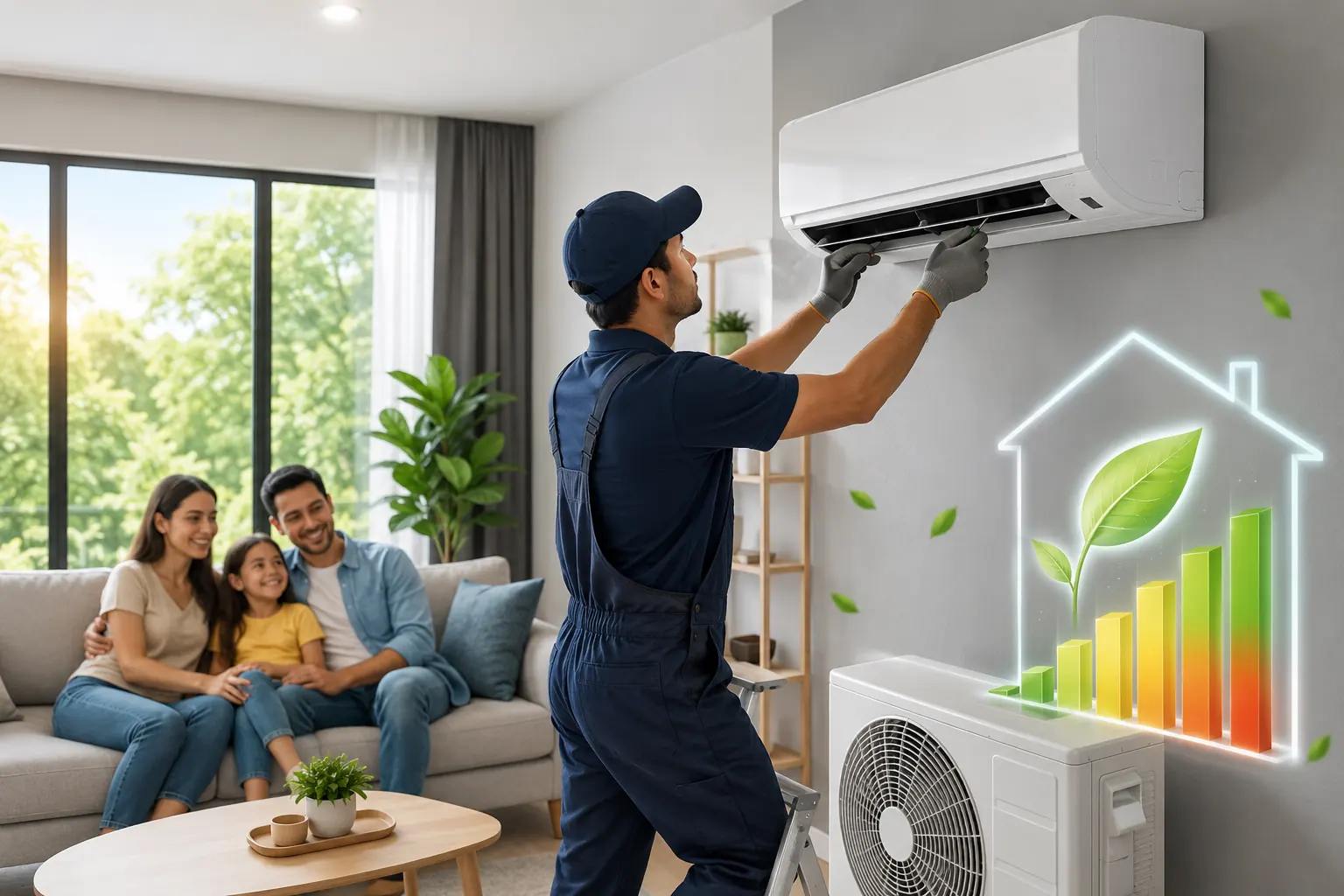
A dependable air conditioning system is essential for maintaining a comfortable indoor environment during warm weather. Whether you are upgrading an aging unit, replacing a system that no longer performs efficiently, or installing cooling equipment in a newly constructed home or commercial property, professional air conditioning installation plays a crucial role in achieving reliable performance, lower energy costs, and long-term comfort. A properly installed air conditioning system not only cools indoor spaces effectively but also improves air circulation, controls humidity, and enhances overall indoor air quality.
- Understanding How an Air Conditioning System Works
- Why Professional Installation Is Important
- Choosing the Right Air Conditioning System
- The Air Conditioning Installation Process
- Benefits of Installing a New Air Conditioning System
- Common Installation Mistakes to Avoid
- Maintaining Your New Air Conditioning System
- Repair or Replace?
- Choosing the Right HVAC Contractor
- Conclusion
Modern air conditioning systems are designed with advanced technology that delivers better efficiency, quieter operation, and improved temperature control compared to older models. However, even the most advanced equipment cannot perform at its best without proper installation. Accurate system sizing, professional setup, and careful testing are essential to ensure optimal performance. Choosing experienced HVAC professionals helps protect your investment while maximizing the lifespan of your cooling system.
Understanding How an Air Conditioning System Works
An air conditioning system removes heat from indoor air and transfers it outside, leaving the indoor environment cool and comfortable. The system operates through several key components, including the outdoor condenser unit, indoor evaporator coil, compressor, refrigerant lines, blower motor, thermostat, and ductwork or air handler.
The refrigerant absorbs heat from the indoor air and carries it to the outdoor unit, where the heat is released. The cooled air is then circulated throughout the building using the blower and ductwork. Every component must function correctly for the system to provide efficient and consistent cooling.Because these components work together as a complete system, professional installation ensures each part is properly connected, calibrated, and tested for reliable operation.
Why Professional Installation Is Important
Installing an air conditioning system involves much more than placing equipment inside and outside a building. Every stage of the process affects system efficiency, reliability, and long-term performance.
Professional HVAC technicians begin by evaluating the property’s cooling requirements. Factors such as square footage, insulation, ceiling height, window placement, occupancy, and airflow all influence the size and type of equipment needed.
Improper installation can lead to uneven temperatures, excessive humidity, high utility bills, poor airflow, frequent repairs, and shortened equipment lifespan. Professional installation minimizes these risks while ensuring the system operates according to manufacturer specifications.Many manufacturers also require professional installation to maintain warranty coverage, making expert service an important part of protecting your investment.
Choosing the Right Air Conditioning System
Every home and commercial property has unique cooling needs. Selecting the right equipment requires careful planning rather than simply replacing an older unit with a similar model.One of the most important considerations is system size. An undersized air conditioner may struggle to cool the building during hot weather, while an oversized system cycles on and off too frequently, reducing efficiency and increasing wear on critical components.Professional load calculations help determine the appropriate cooling capacity by considering the property’s layout, insulation, windows, occupancy, and ventilation requirements.
Energy efficiency ratings should also be evaluated. Modern high-efficiency systems consume less electricity while delivering superior cooling performance, helping reduce long-term operating costs.Additional features such as smart thermostats, variable-speed compressors, zoning systems, and advanced humidity control can further improve comfort and convenience.
The Air Conditioning Installation Process
A successful installation follows a structured process that ensures every component functions efficiently from the beginning.The project starts with an assessment of the existing HVAC system and the removal of old equipment if replacement is necessary. Technicians inspect ductwork, electrical systems, refrigerant lines, drainage, and available installation space before installing the new equipment.The indoor evaporator coil and outdoor condenser unit are positioned according to manufacturer guidelines. Refrigerant lines are connected, electrical wiring is completed, condensate drainage is installed, and the thermostat is configured.
After installation, technicians charge the refrigerant system correctly, verify airflow, inspect electrical connections, test operating pressures, calibrate controls, and perform comprehensive performance testing.This detailed process helps ensure reliable operation while maximizing system efficiency.
Benefits of Installing a New Air Conditioning System
Replacing an outdated cooling system offers numerous long-term advantages.Improved energy efficiency is one of the most significant benefits. Modern air conditioners require less electricity to maintain comfortable indoor temperatures, reducing monthly utility expenses throughout the cooling season.
Enhanced comfort is another major advantage. Advanced compressors and variable-speed fan motors maintain more consistent indoor temperatures while reducing humidity levels.New systems also operate much more quietly than older equipment, creating a more peaceful indoor environment.
Improved indoor air quality is another benefit. Better airflow, advanced filtration, and improved humidity control help reduce airborne dust, allergens, and pollutants circulating throughout the building.Modern technology allows homeowners and business owners to manage cooling systems remotely through smart thermostats, improving convenience while optimizing energy use.
Common Installation Mistakes to Avoid
Several installation mistakes can negatively affect air conditioner performance if proper procedures are not followed.Incorrect equipment sizing remains one of the most common issues. Oversized or undersized systems rarely provide optimal comfort or efficiency.
Improper refrigerant charging reduces cooling capacity while increasing compressor wear.Leaking or poorly designed ductwork allows conditioned air to escape before reaching occupied spaces, increasing energy costs and reducing comfort.Incorrect thermostat placement may result in inaccurate temperature readings, causing inefficient system operation.Professional HVAC installation helps eliminate these problems while ensuring long-term reliability.
Maintaining Your New Air Conditioning System
Regular maintenance is essential for preserving system performance after installation.Air filters should be replaced according to manufacturer recommendations to maintain unrestricted airflow and improve indoor air quality.Outdoor condenser units should remain free of dirt, grass, leaves, and debris that could block airflow.
Professional maintenance includes cleaning evaporator and condenser coils, inspecting refrigerant levels, testing electrical components, lubricating moving parts where necessary, clearing condensate drains, and evaluating overall system performance.Routine service helps identify minor issues before they become major repairs while extending equipment lifespan.
Repair or Replace?
Homeowners often wonder whether replacing an older air conditioner is more beneficial than continuing repairs.If the existing system experiences frequent breakdowns, rising energy bills, declining cooling performance, or major compressor failure, replacement often provides greater long-term value.
New equipment offers higher efficiency, lower maintenance costs, quieter operation, and improved reliability compared to aging systems.Experienced HVAC professionals evaluate equipment condition, repair history, operating costs, and expected lifespan before recommending the most cost-effective solution.
Choosing the Right HVAC Contractor
Selecting a qualified HVAC contractor is essential for ensuring a successful installation.Look for licensed and insured professionals with experience installing residential and commercial cooling systems. A reputable contractor performs detailed load calculations, recommends properly sized equipment, follows manufacturer installation procedures, and provides transparent pricing.
Customer reviews, equipment warranties, maintenance programs, and responsive customer support are additional factors that help identify trustworthy HVAC companies.If you are planning an air conditioning installation, partnering with experienced professionals ensures your new cooling system delivers dependable comfort, excellent energy efficiency, and reliable performance for years to come.
Conclusion
A professionally installed air conditioning system provides dependable cooling, improved indoor comfort, lower energy costs, and healthier indoor air quality. From selecting the right equipment and calculating proper system capacity to completing expert installation and comprehensive testing, every stage contributes to long-term reliability and performance.
Investing in professional air conditioning installation helps homeowners and business owners enjoy consistent comfort while reducing future repair expenses and maximizing equipment lifespan. Combined with regular maintenance and timely service, a properly installed air conditioning system becomes a valuable investment that supports comfort, efficiency, and peace of mind throughout every cooling season.
