
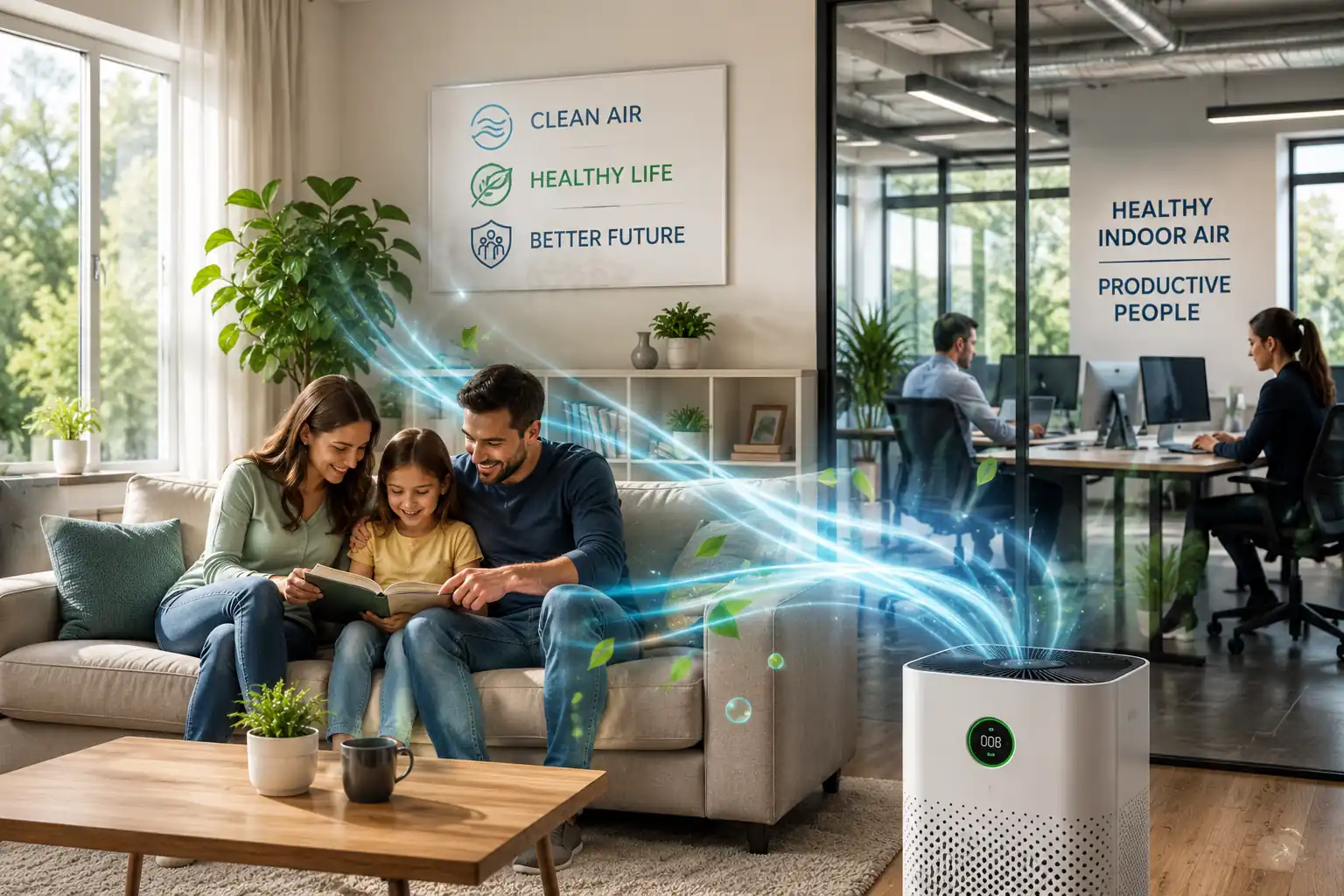
The air inside a home or commercial building has a direct impact on comfort, health, and overall well-being. While many people focus on maintaining comfortable indoor temperatures, the quality of the air they breathe is equally important. Dust, allergens, pet dander, pollen, mold spores, bacteria, volatile organic compounds (VOCs), and excess humidity can all affect indoor environments, making them less comfortable and potentially contributing to respiratory issues. Professional indoor air quality services help identify and reduce these contaminants, creating cleaner, healthier spaces for families, employees, and customers.
- Understanding Indoor Air Quality
- Common Sources of Indoor Air Pollution
- Why Indoor Air Quality Is Important
- The Role of HVAC Systems
- Air Filtration Systems
- Humidity Control
- Air Purification Technology
- Duct Cleaning and Ventilation
- Residential Indoor Air Quality Solutions
- Commercial Indoor Air Quality Services
- Maintaining Healthy Indoor Air
- Choosing a Professional HVAC Company
- Conclusion
Modern heating and cooling systems play a significant role in maintaining clean indoor air, but even the best HVAC equipment requires regular maintenance and proper filtration to perform effectively. Professional inspections, advanced air purification solutions, humidity control systems, and routine HVAC maintenance work together to improve indoor air quality while supporting the efficiency of the entire climate control system.
Understanding Indoor Air Quality
Indoor air quality refers to the condition of the air within a building and how it affects the health and comfort of its occupants. Air quality is influenced by several factors, including ventilation, humidity, airborne particles, filtration systems, and indoor pollutants.
Many contaminants are invisible and accumulate gradually over time. Dust settles inside ductwork, pollen enters through doors and windows, pet hair circulates through ventilation systems, and moisture creates conditions that encourage mold growth. Without proper filtration and airflow, these pollutants continue circulating throughout the building.Professional evaluations help identify the sources of indoor air contamination and recommend effective solutions.
Common Sources of Indoor Air Pollution
Numerous everyday activities contribute to indoor air pollution. Cooking, cleaning products, building materials, furniture, paint, carpeting, and household chemicals may release airborne particles or gases that affect air quality.Dust mites, pet dander, pollen, smoke, mold spores, and bacteria can also circulate through HVAC systems if filters are dirty or ventilation is inadequate. Excess humidity creates an ideal environment for mold growth, while overly dry air may cause discomfort and irritation.
Understanding these common sources helps property owners take proactive steps to improve their indoor environment.
Why Indoor Air Quality Is Important
Clean indoor air supports healthier living and working conditions. Poor air quality may contribute to allergies, respiratory irritation, unpleasant odors, excessive dust accumulation, and overall discomfort.
Maintaining proper ventilation and humidity levels also protects building materials, furniture, flooring, and electronics from moisture-related damage. Businesses benefit from improved employee comfort and productivity, while homeowners enjoy cleaner, fresher living spaces.Professional indoor air quality solutions help reduce airborne contaminants while creating a healthier indoor environment throughout the year.
The Role of HVAC Systems
Heating and cooling systems do more than regulate temperature. They continuously circulate air throughout the property, making them an important part of indoor air management.
Dirty air filters, clogged ductwork, contaminated coils, and neglected ventilation components can reduce system performance while allowing pollutants to spread throughout the building. Regular HVAC maintenance keeps the system operating efficiently while improving filtration and airflow.Professional technicians inspect every component to ensure the HVAC system supports clean and healthy indoor air.
Air Filtration Systems
High-quality air filtration is one of the most effective methods of improving indoor air quality. Standard air filters capture larger particles, while advanced filtration systems remove smaller contaminants such as pollen, dust, pet dander, and fine airborne particles.
Professional technicians recommend filtration solutions based on the property’s size, occupancy, and specific air quality concerns. Regular filter replacement ensures optimal airflow while maintaining effective contaminant removal.Proper filtration also helps protect HVAC equipment by preventing dust buildup inside critical components.
Humidity Control
Balanced humidity is essential for maintaining comfortable indoor conditions. High humidity encourages mold growth, while low humidity may cause dry skin, irritated eyes, and static electricity.
Whole-home humidifiers and dehumidifiers help regulate moisture levels throughout the building. Professional technicians evaluate humidity conditions and recommend solutions that maintain balanced indoor comfort year-round.Proper humidity management also supports the long-term condition of wood flooring, furniture, and structural materials.
Air Purification Technology
Modern air purification systems provide additional protection against airborne contaminants. Advanced purification equipment helps reduce bacteria, viruses, odors, volatile organic compounds, and microscopic particles that traditional filters may not capture effectively.
Professional installation ensures that purification systems integrate properly with existing HVAC equipment while maximizing overall performance.These technologies contribute to cleaner indoor air and a more comfortable environment for building occupants.
Duct Cleaning and Ventilation
Air ducts distribute conditioned air throughout the property. Over time, dust, debris, and allergens may accumulate inside ductwork, reducing airflow and circulating contaminants.
Professional duct inspections determine whether cleaning is necessary to improve system efficiency and indoor air quality. Proper ventilation also introduces fresh outdoor air while removing stale indoor air, helping maintain balanced airflow throughout the building.Clean ductwork contributes to improved HVAC performance and healthier indoor conditions.
Residential Indoor Air Quality Solutions
Every home has unique air quality concerns depending on its size, occupancy, pets, lifestyle, and HVAC system. Professional technicians evaluate each property’s ventilation, filtration, humidity levels, and airflow before recommending customized solutions.
Services may include filter upgrades, duct inspections, humidity control systems, air purification equipment, and preventive HVAC maintenance.These improvements create cleaner, healthier living environments while enhancing overall comfort.
Commercial Indoor Air Quality Services
Commercial properties require effective indoor air management to support employee health, customer satisfaction, and operational efficiency. Offices, schools, healthcare facilities, hotels, restaurants, retail stores, warehouses, and industrial buildings all benefit from professional air quality solutions.
Professional indoor air quality services include ventilation improvements, advanced filtration systems, humidity management, air purification technology, and scheduled HVAC maintenance tailored to commercial environments.Cleaner indoor air contributes to a healthier and more productive workplace.
Maintaining Healthy Indoor Air
Improving indoor air quality requires ongoing attention rather than a one-time solution. Replacing filters regularly, scheduling routine HVAC maintenance, controlling indoor humidity, cleaning ventilation systems, and minimizing indoor pollutants all contribute to healthier indoor environments.
Professional inspections help identify developing issues before they affect comfort or HVAC performance. Preventive maintenance ensures that heating and cooling equipment continues supporting clean air circulation throughout every season.Consistent care helps protect both the building and its occupants.
Choosing a Professional HVAC Company
Selecting an experienced HVAC contractor is essential for improving indoor air quality effectively. Qualified technicians perform comprehensive evaluations, recommend customized solutions, install advanced air quality equipment, and provide ongoing maintenance that supports long-term performance.
A trusted company focuses on customer education, quality workmanship, preventive maintenance, and dependable service. Their expertise helps property owners create healthier indoor environments while maximizing HVAC efficiency.Professional indoor air quality services should always include detailed inspections, air quality assessments, filtration recommendations, ventilation improvements, humidity control solutions, and maintenance plans designed for lasting comfort.
Conclusion
Clean indoor air is just as important as comfortable indoor temperatures. By reducing airborne contaminants, controlling humidity, improving ventilation, and maintaining HVAC systems, property owners can create healthier and more enjoyable living and working environments.
Investing in professional indoor air quality services provides long-term benefits that extend beyond comfort. With expert guidance, advanced air purification technology, and regular HVAC maintenance, homeowners and business owners can enjoy cleaner air, improved efficiency, and greater peace of mind throughout every season.
