
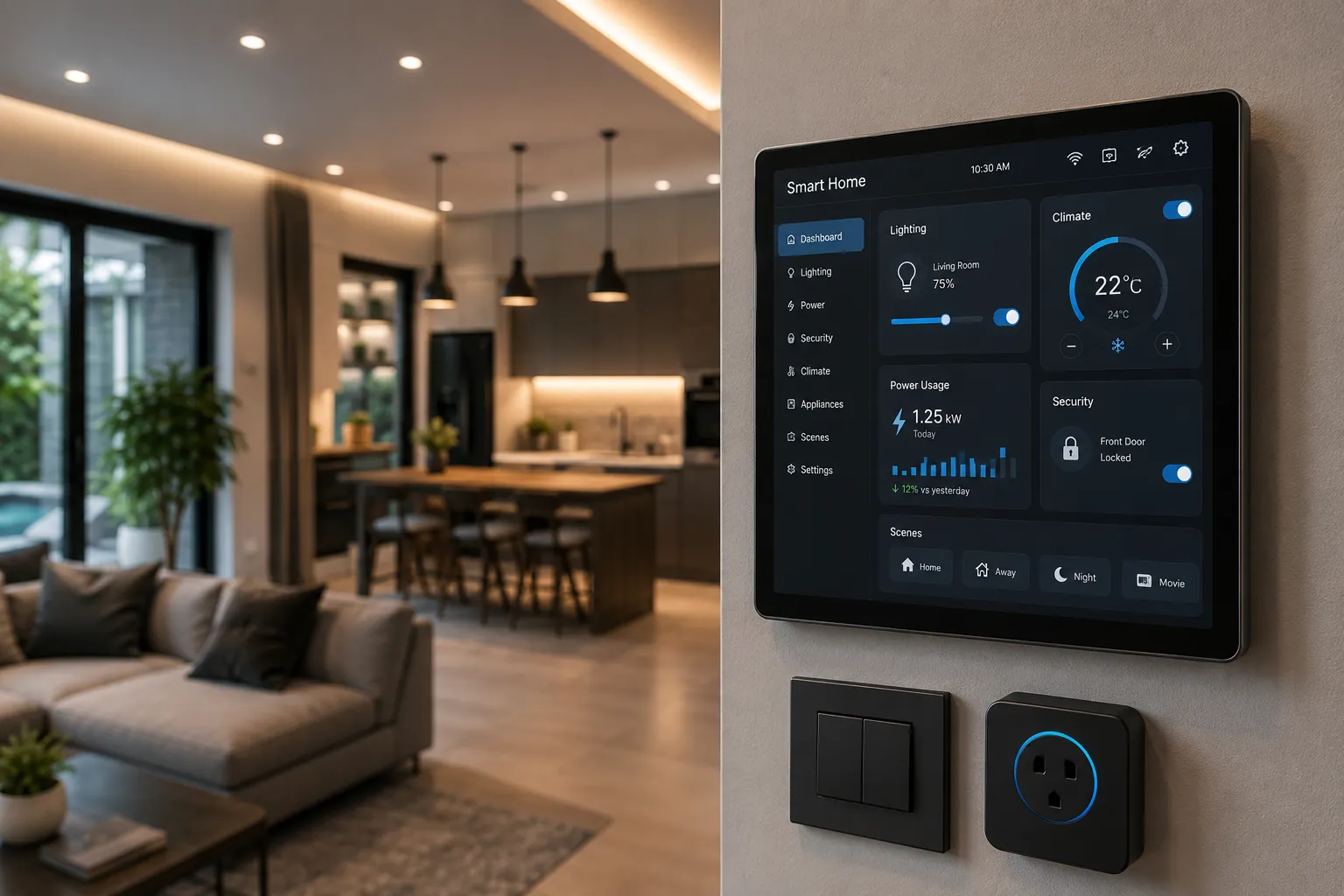
Incorporating smart electrical installations into your home can significantly boost energy efficiency, help lower utility bills, and support a more sustainable way of living. With advanced technologies, homeowners gain better control over their energy use and unlock the potential to make their homes perform at a higher level. If you’re exploring options for electrical installation in Kansas City, choosing smart solutions can give you a future-ready edge.
Through connected panels, monitoring devices, and automation, smart electrical systems provide real-time oversight and enable optimization of when and how energy is consumed. These interconnected systems bring a new level of transparency and customization to home management, often enabling significant cost savings without sacrificing comfort or convenience.
Smart upgrades are transforming how families use electricity and advancing lasting sustainability efforts at home. Along with predictable savings, these systems add an element of safety and convenience tailored to each homeowner’s needs.
The U.S. Department of Energy notes that smart technology adoption can help prevent energy waste, especially when combined with behavior changes and automated controls.
Understanding Smart Electrical Installations
Smart electrical installations use advanced hardware and software to monitor, control, and optimize energy use in a residence. These systems typically combine smart panels, energy-monitoring devices, and networked outlets and switches, which communicate and exchange data to automate and fine-tune electricity consumption. Features such as remote monitoring, automatic scheduling, and integration with renewable energy systems set these installations apart from traditional electrical solutions and empower homeowners to track and reduce their carbon footprint.
Benefits of Smart Electrical Installations
There are several reasons to invest in smart electrical upgrades:
- Energy Efficiency: Continuous monitoring and adaptive controls can help minimize unnecessary consumption, targeting areas of energy waste that often go unnoticed in standard systems.
- Cost Savings: By optimizing usage patterns and automating energy management, homeowners often see lower monthly bills.
- Convenience and Comfort: Smart systems offer flexibility, enabling remote adjustments and user-defined automations based on occupancy, schedules, or preferences.
- Environmental Responsibility: Lower energy requirements translate to reduced greenhouse gas emissions and a smaller environmental footprint.
In addition to these advantages, smart installations can also enhance long-term property value by making homes more attractive to energy-conscious buyers. The Environmental Protection Agency highlights how energy-efficient upgrades can provide both immediate and lasting value for homeowners. Learn more from the EPA’s Greenhouse Gas Equivalencies Calculator.
Key Components of Smart Electrical Installations
Building an energy-efficient home typically involves these innovative components:
Smart Electrical Panels
Serving as the main management hub, smart panels track energy use across the entire house and optimize load distribution. Modern panels, such as Schneider Electric’s Square D QO Smart Panel Solution, can seamlessly integrate with solar systems and batteries. They are capable of load management, so even as homeowners add new high-demand appliances or electric vehicles, the need for costly main service upgrades can be minimized.
Energy Monitors
Energy monitoring systems offer clear, up-to-the-minute data on electricity use, helping uncover patterns and pinpoint wasteful habits. Tools like the Wiser Home Energy Monitor support informed decision-making and empower users to make adjustments as needed, optimizing both efficiency and comfort through actionable insights.
Connected Devices
Smart outlets, switches, and dimmers let users remotely control individual appliances and lights from anywhere using a smartphone or voice assistant. These devices can switch on or off based on habits, the time of day, or even a person’s presence in a room. For instance, Schneider Electric’s X Series connected devices leverage Matter communication standards, improving integration with other brands and platforms for a simplified user experience.
Implementing Smart Electrical Installations
Making the transition to a smart electrical system includes these core steps:
- Assess Your Needs: Pinpoint areas of your home that would most benefit from smart technology, prioritizing rooms with high energy use or frequent activity.
- Select Compatible Equipment: Choose devices that work seamlessly together and with your current or planned home systems for trouble-free operation.
- Professional Installation: Work with certified electricians who are familiar with smart systems for reliable, safe installation, especially when dealing with main panels or complex integrations.
- Continual Monitoring and Adjustment: Use data from your new system to regularly monitor performance and adjust settings, maximizing efficiency and comfort as seasons and household routines change.
Conclusion
Smart electrical installations offer homeowners a reliable and future-ready path to superior energy management, greater convenience, and environmentally conscious living. By adopting advanced panels, monitors, and connected devices, you gain pinpoint control over your home’s power usage and contribute to broader sustainability goals. As more families seek smarter, greener homes, these systems can provide a clear edge in both livability and long-term savings.
