
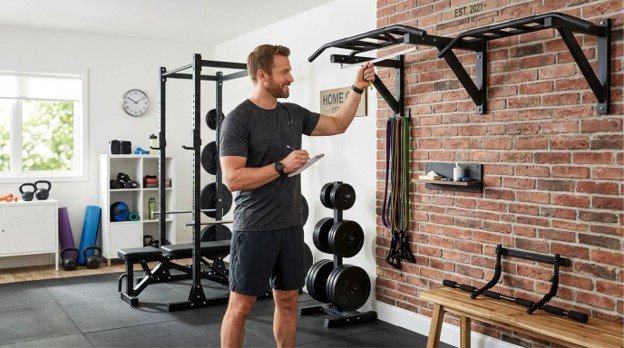
A pull up bar is one of the most effective and affordable pieces of equipment you can add to your home gym. Whether you’re a beginner looking to improve upper-body strength or an experienced fitness enthusiast aiming to take your workouts to the next level, the right pull up bars can make a significant difference. With numerous options available, understanding what to look for can help you make the best choice.
- Why Add a Pull Up Bar to Your Home Gym?
- Understanding the Different Types of Pull Up Bars
- Doorway Pull Up Bars
- Wall-Mounted Pull Up Bars
- Ceiling-Mounted Pull Up Bars
- Freestanding Pull Up Stations
- Consider Your Fitness Goals
- Check Weight Capacity and Stability
- Evaluate the Available Space
- Look for Comfortable Grip Options
- Prioritize Quality and Durability
- Final Thoughts
Why Add a Pull Up Bar to Your Home Gym?
Pull ups are one of the most efficient bodyweight exercises because they engage multiple muscle groups simultaneously. Regular training can help strengthen your back, shoulders, arms, grip, and core while improving overall functional fitness. A pull up bars also allow you to perform a variety of exercises, making it a versatile addition to any workout space.
Understanding the Different Types of Pull Up Bars
Doorway Pull Up Bars
Doorway pull up bars are a popular choice for home users because they are easy to install and remove. They fit into standard door frames and are ideal for people who have limited space or prefer a portable solution. While convenient and budget-friendly, they may offer less stability compared to permanently mounted options.
Wall-Mounted Pull Up Bars
Wall-mounted pull up bars are designed for users who want a more robust and durable setup. Fixed directly to a wall, they provide excellent stability and can typically support higher weight capacities. They are well-suited for regular strength training and advanced exercises, but require permanent installation.
Ceiling-Mounted Pull Up Bars
Ceiling-mounted bars offer additional clearance and freedom of movement. They are especially useful for taller individuals or those who want to perform a wider range of exercises. However, proper installation and a strong ceiling structure are essential for safe use.
Freestanding Pull Up Stations
Freestanding stations combine a pull up bar with other workout features such as dip stations and push-up handles. They provide a complete bodyweight training solution and require no wall or ceiling installation. The trade-off is that they take up more space and usually cost more than basic pull up bars.
Consider Your Fitness Goals
However, if you plan to incorporate advanced calisthenics movements, weighted pull ups using weight plates, or intensive strength training, a wall-mounted or freestanding option may provide the support and durability you need.
Check Weight Capacity and Stability
A pull up bar should comfortably support your body weight and any additional resistance you may use in the future. Choosing a model with a higher weight capacity than your current requirements can provide greater safety and long-term value. Stability is equally important, as a secure bar allows you to focus on your workout with confidence.
Evaluate the Available Space
Before making a purchase, take a close look at your workout area. Doorway models work well in compact spaces, while larger home gyms can accommodate wall-mounted or freestanding equipment. Measuring your available space in advance helps prevent installation issues and ensures a comfortable workout experience.
Look for Comfortable Grip Options
Grip design can greatly influence workout comfort. Many pull up bars feature multiple grip positions that allow you to perform standard pull ups, chin-ups, and neutral-grip variations. This versatility helps target different muscle groups while reducing strain on the wrists and shoulders.
Prioritize Quality and Durability
A well-built pull up bar is an investment that can serve you for years. High-quality steel construction, durable finishes, and reliable mounting hardware are all indicators of a product designed for long-term use. Spending a little more on a sturdy model often results in better performance and greater peace of mind.
Final Thoughts
Choosing the right pull up bar for your home gym comes down to balancing your fitness goals, available space, and budget. Whether you opt for a simple doorway model or a heavy-duty freestanding station, selecting a high-quality bar that matches your training needs will help you get the most out of your workouts. With the right equipment in place, you’ll be well on your way to building strength, improving fitness, and creating a more effective home gym environment.
