
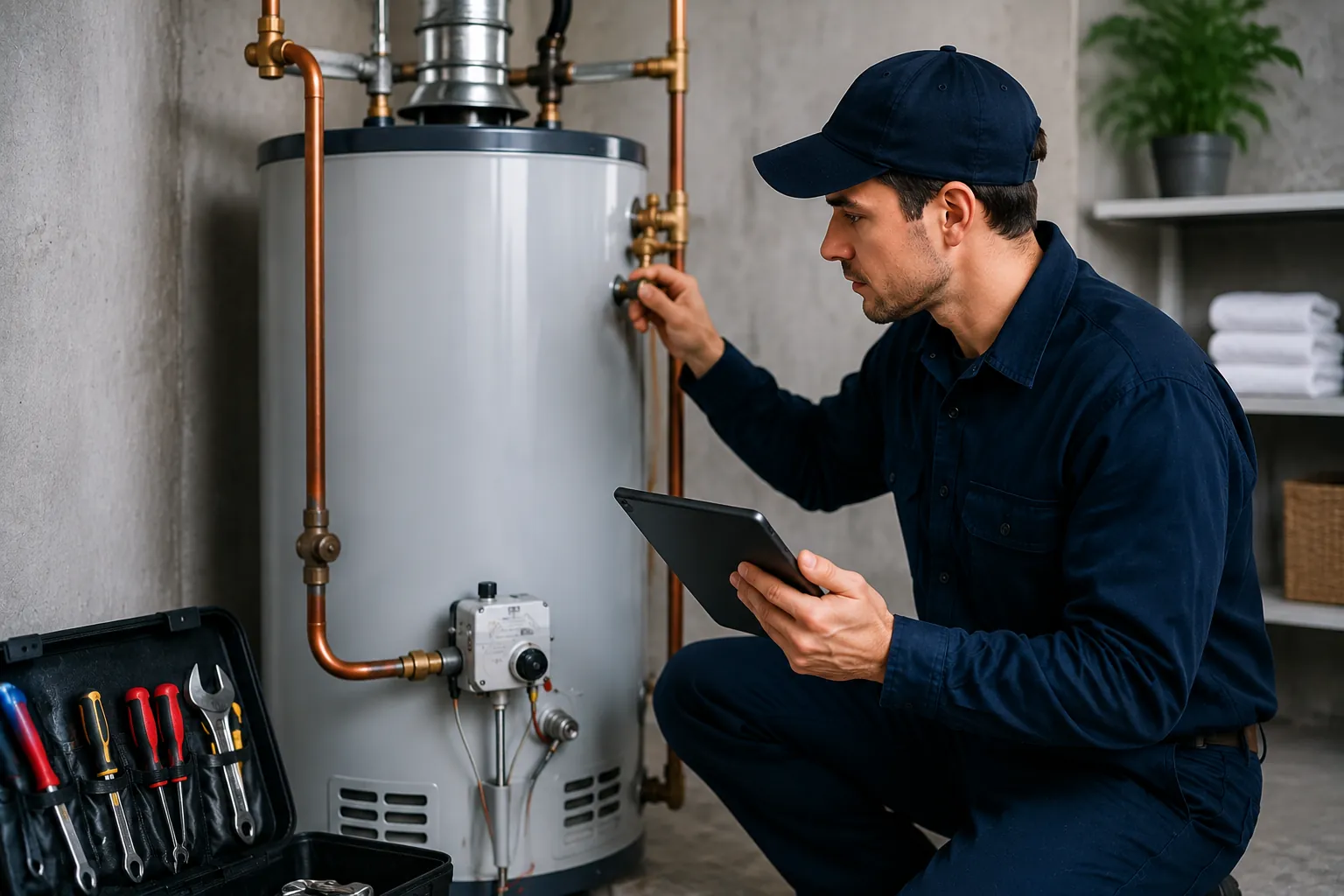
Hot water is easy to take for granted until it suddenly disappears during a shower, laundry cycle, or sink full of dishes. A water heater works every day, often quietly, while handling temperature changes, pressure, sediment, and steady household demand. When small issues go unnoticed, the system may lose efficiency, produce lukewarm water, or stop heating altogether. Water heater services help prevent sudden loss of loss of hot waterby checking the tank, heating elements, thermostat, valves, connections, and for for signs of wear. Regular attention keeps the system more reliable and helps homeowners avoid unexpected disruption.
What Service Can Prevent
-
Sediment Buildup Can Reduce Heating Power
One common reason for sudden hot water problems is sediment buildup inside the tank. Minerals from the water supply can settle at the bottom of the heater over time, creating a layer between the burner or heating element and the water. This forces the system to work harder and may cause popping sounds, slower heating, higher energy use, or uneven water temperature. Water heater services may include flushing the tank to remove this buildup before it causes more serious performance issues. Homeowners who notice delayed hot water, rusty water, or strange tank noises may need to Contact Us before the system becomes unreliable. Removing sediment improves heat transfer and reduces strain on the tank. It also helps prevent overheating at the bottom of the unit, which can shorten the heater’s life. Regular flushing is a simple way to support steady hot water and avoid surprises during daily use.
-
Thermostat and Heating Parts Need Testing
Water heater services also help prevent hot water loss by inspecting the components that regulate temperature. In electric models, heating elements can wear out, fail, or become coated with minerals, reducing the unit’s ability to warm water properly. In gas models, burner issues, pilot light trouble, ignition problems, or gas valve concerns can interrupt heating. The thermostat may also read incorrectly or fail to maintain the selected temperature. When these parts weaken, the water heater may still produce some warm water at first, but the supply can become inconsistent. A service technician can test heating performance, check electrical connections, inspect burner operation, and confirm that the thermostat is responding correctly. This matters because small control issues can appear to be normal aging until the system stops producing hot water altogether. Timely service can identify whether the problem is a worn part, poor setting, mineral buildup, or a deeper operating issue.
-
Valves and Connections Protect System Function
A water heater depends on several valves and connections to operate safely and consistently. Supply lines bring water into the unit, outlet connections carry hot water through the home, and safety valves help control pressure. If a valve sticks, leaks, corrodes, or fails to release pressure correctly, the system may struggle or become unsafe. Water heater services include checking these areas for signs of moisture, rust, loose fittings, and pressure concerns. Even a small leak can reduce performance, damage nearby flooring, or point to a larger issue inside the tank. A technician can also inspect the temperature and pressure relief valve, which is an important safety component. When valves and connections are properly maintained, the water heater can operate more reliably. This helps prevent sudden shutdowns, pressure-related problems, and water damage. Reliable connections also ensure that heated water moves through the plumbing system without unnecessary loss or interruption.
-
Regular Service Helps Plan Replacement
Water heater services do more than fix immediate problems; they also help homeowners understand the system’s age and condition. Every water heater has a limited service life, and older units may become more likely to lose hot water without warning. During service, a technician can look for rust, tank wear, repeated heating delays, frequent temperature changes, leaks, and signs that the unit is becoming less dependable. This information helps homeowners plan instead of waiting for a sudden failure. If a water heater is nearing the end of its useful life, replacement can be scheduled before the tank leaks or stops working during a busy day. Planning also gives homeowners time to compare tank size, energy use, household demand, and fuel type. This is especially useful for families whose hot water needs have changed. Regular service turns uncertainty into a clearer decision, helping to avoid rushed choices after a complete loss of hot water.
Preventive Care Keeps Hot Water Steady
Water heater services help prevent sudden loss of hot water by keeping key components clean, tested, and properly adjusted. Sediment removal, thermostat checks, heating part inspections, valve reviews, leak detection, and system condition reports all support dependable performance. Without service, small problems can build quietly until the unit struggles or stops working. Regular care helps the water heater heat more efficiently, respond to household demand, and last longer. It also gives homeowners warning when replacement may be needed. With timely service, hot water remains more consistent, daily routines stay easier, and unexpected cold showers become far less likely.
