
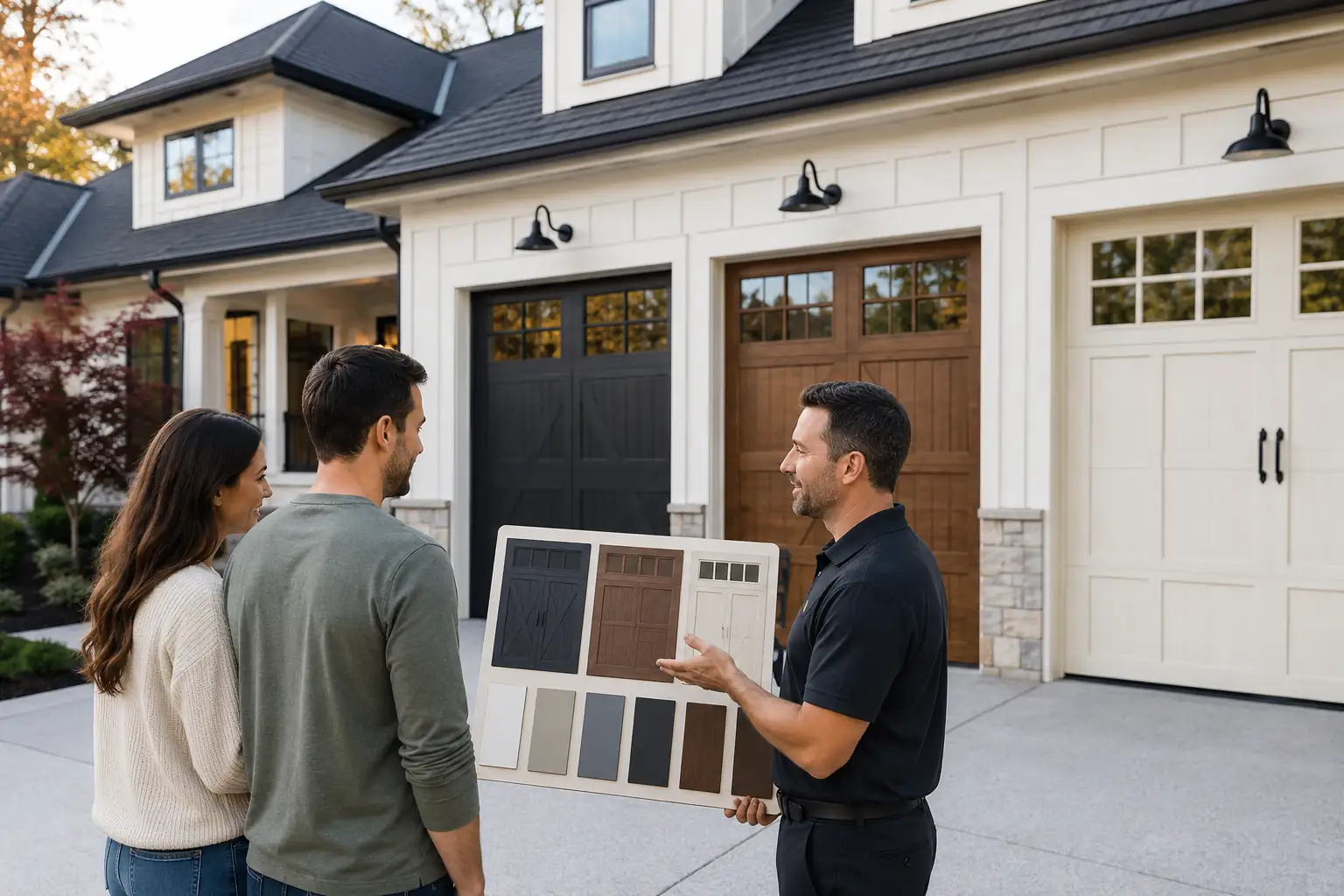
A garage door takes up a large part of a home’s front view, so its design can strongly affect curb appeal. The right door can make the exterior look balanced, polished, and complete, while the wrong one may feel disconnected from the rest of the property. Garage door suppliers help homeowners compare styles, colors, panels, materials, windows, and hardware so the final choice supports the home’s architecture. Their guidance also helps avoid a door that looks too heavy, too plain, or out of place beside siding, brick, stone, roofing, trim, and landscaping.
Style, Scale, and Finish
-
Matching Door Style to Architecture
Different homes need different garage door designs because architecture creates its own visual rhythm. A modern home may look better with clean horizontal panels, dark finishes, glass sections, or smooth surfaces. A farmhouse may suit carriage-inspired panels, warm wood tones, and simple decorative hardware.
A traditional brick home may benefit from raised panels, neutral colors, and window layouts that echo those of nearby homes. Suppliers help homeowners compare these choices before making a purchase, reducing the risk of choosing a door based only on a showroom display. Local providers such as Don’s Garage Door Repair of Hilliard can help homeowners consider how door style, trim color, and exterior details work together. This makes the garage door feel like part of the original home design rather than an add-on.
-
Choosing Materials That Fit the Home
Garage door suppliers also help match materials to both appearance and daily use. Steel doors can create a clean, durable look and can be finished in many colors. Wood doors bring warmth and texture, but they may require more care over time. Aluminum and glass doors often suit contemporary homes because they feel lighter and more open.
Composite materials can offer a wood-like appearance with less upkeep. The right material depends on the home’s design, local weather, maintenance preferences, and budget. A supplier can explain how each option may look after years of use, not just on the day of installation. This matters because a garage door must handle sun, rain, wind, temperature changes, and repeated movement. When material choice supports both the exterior style and the homeowner’s lifestyle, the door remains attractive and practical for years.
-
Coordinating Color, Windows, and Hardware
Small design details can change how a garage door blends with the rest of the home. Color is one of the most important choices because it can either soften the garage area or make it stand out. A supplier may suggest matching the door to trim for a clean look, choosing a tone close to the siding for subtle balance, or using a deeper color for contrast. Window placement also matters. Windows can add character, bring in natural light, and connect the garage door to the home’s front windows.
Hardware, such as handles and hinges, can add charm when used carefully, especially on carriage-style doors. Suppliers help homeowners avoid too many competing details. The goal is not to make the garage door louder than the house, but to ensure it supports the overall exterior design.
-
Balancing Beauty With Function
A garage door must look right, but it also needs to work well every day. Suppliers help homeowners think about insulation, durability, noise control, opener compatibility, safety features, and maintenance needs. A beautiful door that performs poorly can be frustrating, especially in homes where the garage is used frequently or is connected to the living space. Insulated doors can help regulate temperature and reduce outside noise, making the garage more comfortable.
Stronger construction can also help the door feel steadier during operation. Suppliers can guide homeowners toward options that suit the home’s design while still meeting practical needs. This balance is important because a garage door is not only decorative. It opens, closes, protects belongings, supports energy comfort, and affects how smoothly a household moves through daily routines.
A Door That Belongs
Garage door suppliers make the selection process easier by connecting design choices with real home details. They help homeowners compare style, scale, material, color, windows, hardware, and function so the final door feels natural on the property. A well-matched garage door can improve curb appeal, support architectural character, and make the exterior look more complete. It can also provide smoother operation, better durability, and added comfort. Instead of choosing a door based solely on appearance, homeowners receive guidance that considers both beauty and function. The result is a garage door that fits the home, works reliably, and adds lasting value.
