
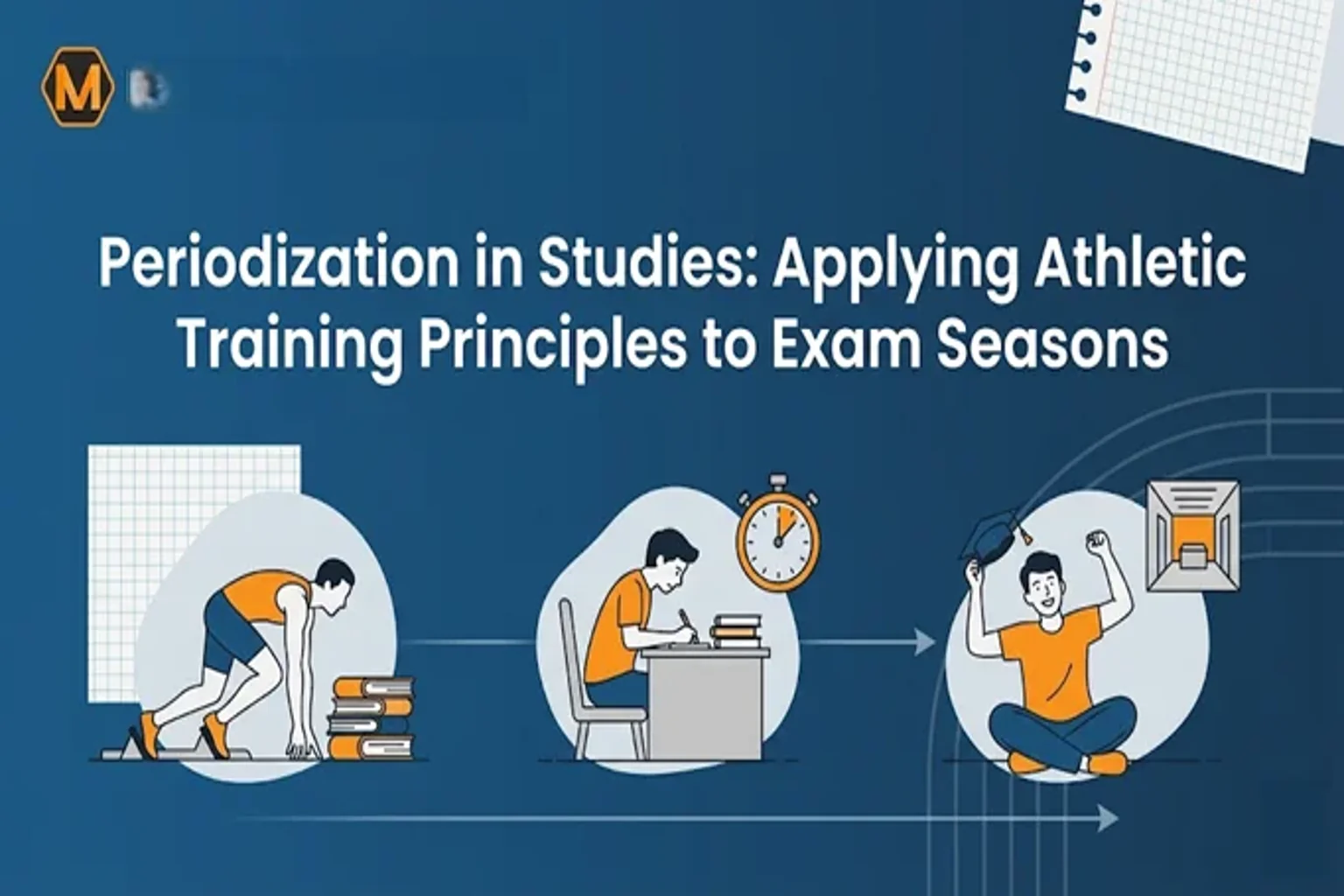
Top-tier athletes do not train at maximum intensity every single day of the year. If a marathon runner or a professional football player attempted to sprint at peak velocity without scheduled recovery cycles, their bodies would inevitably break down from physical exhaustion or injury. In the world of sports science, this strategic modulation of workload is known as periodization—the systematic planning of physical training to ensure peak performance arrives precisely at the moment of competition.
- The Core Blueprint of Academic Periodization
- Load Management and Strategic Academic Outsourcing
- Active Recovery: The Secret to Sustained Cognitive Stamina
- Handling the Championship Phase: Navigating Exam Week Bottlenecks
- Executing the Pre-Exam Taper
- Frequently Asked Questions (FAQ)
- Q.1 How does academic periodization differ from a regular study calendar?
- Q.2 Is outsourcing secondary coursework considered a safe academic strategy?
- Q.3 How many hours should a student-athlete or busy undergraduate study per day?
- About The Author
For undergraduate students, academic life follows a remarkably similar trajectory. The typical semester mirrors an athletic season, starting with a steady build-up of foundational concepts and culminating in the high-stakes pressure cooker of final evaluations. Unfortunately, many students approach their coursework with a constant, unmanaged level of stress, leading to severe mental fatigue long before finals week even arrives. By adapting proven athletic training frameworks to your study routines, you can optimize your cognitive stamina, eliminate the panic of cramming, and step into your testing centers with the calm confidence of a seasoned competitor.
The Core Blueprint of Academic Periodization
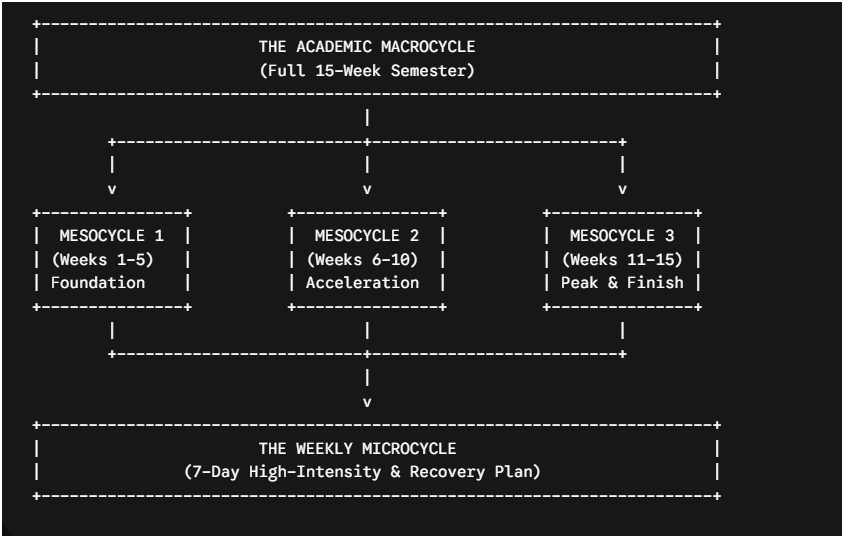
In athletic conditioning, training is broken down into specific cyclical blocks: macrocycles (the entire season), mesocycles (focused multi-week blocks), and microcycles (daily or weekly routines). Translating this blueprint into an academic strategy transforms a chaotic semester into a predictable, manageable timeline.
The Macrocycle (The Full Semester View)
Your academic macrocycle spans the entire 15 to 16 weeks of the semester. At the starting line, your primary objective is mapping out the definitive high-stress peaks: midterm dates, major research paper deadlines, and final presentations. By visualizing the entire season in advance, you can predict when your cognitive demand will be highest, preventing unexpected overlaps from catching you off guard.
The Mesocycle (The Focused 4-Week Block)
A mesocycle breaks the semester down into distinct phases, each lasting roughly one month. Each block carries a unique developmental objective:
- Phase 1 (Foundational Volume): Focusing on gathering comprehensive notes, reading assigned literature, and organizing your core digital workspaces.
- Phase 2 (Intensity Acceleration): Transitioning from passive reading to active recall, practicing complex problem sets, and drafting major projects.
- Phase 3 (The Taper & Peak): Reducing total study volume to focus exclusively on highly specific exam weaknesses, ensuring your mind is fresh for the actual test.
Load Management and Strategic Academic Outsourcing
One of the most critical aspects of athletic training is preventing overtraining syndrome—a state of chronic physical and mental fatigue caused by excessive exercise without sufficient rest. When an athlete’s total training load exceeds their recovery capacity, performance drops sharply. In an academic setting, a student trying to balance a full course load, a part-time job, and extracurricular commitments experiences an identical form of cognitive overload.
When your academic load surpasses your daily energy limits, smart prioritization becomes necessary. In professional sports, athletes regularly rely on a support network of physical therapists and tactical coaches to distribute pressure. In the academic space, working with a premium assignment service acts as an intentional distribution of your cognitive workload. Rather than compromising your grade across five different courses due to severe sleep deprivation, delegating secondary research tasks or introductory essays to external experts allows you to protect your mental energy for the core subjects that demand your absolute focus.
| Performance Attribute | Athletic Application | Academic Application |
| Progressive Overload | Gradually adding weight to a barbell to stimulate continuous muscle growth. | Step-by-step increases in textbook reading complexity and problem-solving depth over the semester. |
| Active Recovery | Low-intensity swimming or light mobility work to clear metabolic waste from muscles. | Switching from dense study modules to light reviewing, organizational tasks, or outdoor walks. |
| The Taper Phase | Reducing training volume 7-14 days before a big race to restore maximum physical energy. | Cutting out heavy reading 3 days before a final exam to focus exclusively on high-yield flashcards. |
| Workload Delegation | Utilizing specialized coaches, sports nutritionists, and trainers to optimize energy. | Partnering with trusted academic assistance resources to manage secondary coursework pressures. |
Active Recovery: The Secret to Sustained Cognitive Stamina
Muscles do not grow stronger while you are lifting weights; they grow stronger during the deep rest periods that follow the workout. The human brain operates under the same biological constraints. True mastery of complex academic material occurs when your brain has the time to consolidate short-term data into long-term memory networks, a neurological process heavily dependent on sleep and intentional downtime.
Instead of defining rest as an unproductive waste of time, look at it through the lens of sports science: rest is active preparation for the next performance block.
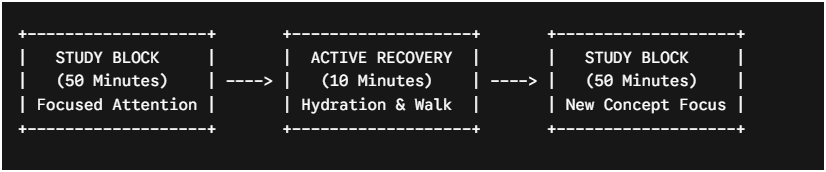
To integrate active recovery into your weekly study microcycles, implement these two fundamental protocols:
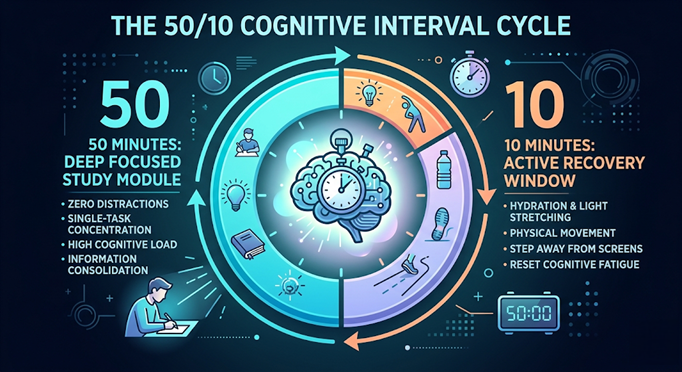
- The Intra-Day Interval: Avoid sitting at a desk for uninterrupted four-hour stretches. Utilize a modified intervals framework—such as 50 minutes of deep, undistracted study followed by 10 minutes of complete physical movement. Step away from your computer screens, stretch, hydrate, or step outside. This brief interlude clears accumulated cognitive fatigue, keeping your focus sharp for the next round.
- The Weekly Rest Day: Dedicate one full 24-hour window every single week to non-academic activities. Disconnecting entirely from your textbooks resets your baseline stress levels, keeping your cognitive systems resilient enough to handle upcoming examination pressures without burning out mid-semester.
Handling the Championship Phase: Navigating Exam Week Bottlenecks
The ultimate test of any periodization system arrives during the championship phase—the final two weeks of the semester, where your accumulated knowledge is put to the test. This period is notorious for creating scheduling logjams, where multiple exams and major presentations land on the same days.
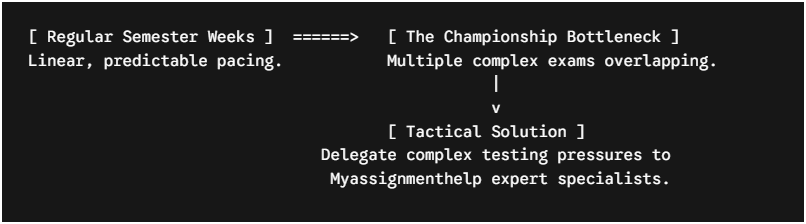
When these intense academic intersections occur, elite students focus entirely on executing the tasks they are best prepared for, while safely seeking professional support to manage the rest. For instance, if an essential in-person presentation conflicts directly with a high-stakes, digitally proctored online test, attempting to split your focus down the middle often leads to mediocre results across both evaluations.
In these high-pressure scenarios, relying on a verified academic network at Myassignmenthelp to step in and safely take my exam protects my GPA while freeing up the essential cognitive space required to master my physical presentations. Just as a soccer coach adjusts their starting lineup depending on player fatigue and match importance, tactically routing your online evaluations to professional specialists ensures your academic performance remains flawless during the most chaotic weeks of the semester.
Executing the Pre-Exam Taper
In the final 48 to 72 hours before a major exam, your training strategy must shift from building volume to maximizing execution speed and psychological clarity.
- Stop Learning New Material: Trying to digest brand-new, complex theories the night before a test generates high levels of anxiety and disrupts the information you have already securely memorized.
- Focus on High-Yield Reviews: Dedicate your remaining time to reviewing high-yield summaries, core formulas, and error logs from your past practice tests.
- Optimize Your Biological Clock: Prioritize a consistent 8-hour sleep schedule during the three nights leading up to your exam. Sleep deprivation severely impairs your working memory and slows down your real-time problem-solving speed, rendering hours of late-night cramming completely counterproductive.
Treat your final exams like an athletic championship. By mapping out your semester into structured cycles, respecting your daily cognitive limits, and utilizing premium academic support networks when workloads peak, you can finish your semester with exceptional grades and your mental health fully intact.
Frequently Asked Questions (FAQ)
Q.1 How does academic periodization differ from a regular study calendar?
Ans: A standard study calendar simply lists deadlines and tracking dates, which often leads to consistent, unmanaged stress. Academic periodization actively modifies the intensity and total volume of your study sessions based on the proximity of your exams, integrating mandatory recovery periods to keep your brain performing at its peak.
Q.2 Is outsourcing secondary coursework considered a safe academic strategy?
Ans: Yes. When managed through premier, secure academic services, delegating foundational research, proofreading, or secondary elective tasks functions exactly like hiring an expert athletic coach. It allows you to distribute an overwhelming workload efficiently, ensuring you can dedicate your primary mental focus to your major field of study.
Q.3 How many hours should a student-athlete or busy undergraduate study per day?
Ans: Rather than focusing purely on total hours, prioritize deep focus quality. Two hours of highly concentrated study using active recall techniques is substantially more effective than five hours of distracted reading interrupted by social media notifications. Keep your study blocks intense, and pair them with systematic active recovery breaks.
About The Author
Hello! I’m Mark Hales, a senior academic consultant and digital content strategist at MyAssignmentHelp. With years of experience guiding undergraduate and student-athlete cohorts through advanced search engine optimization, technical coursework, and high-pressure scheduling bottlenecks, my goal is simple: helping students execute high-performance strategies that bridge real-world demands with academic excellence.
